
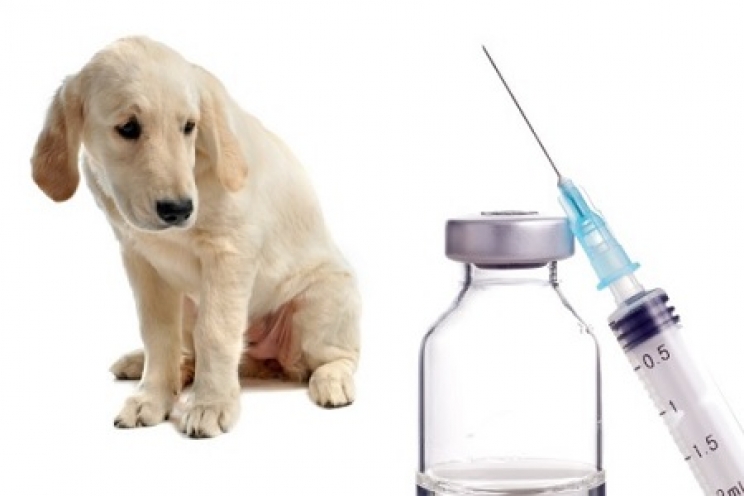
Among the diseases that can affect dogs, one of the best known and most feared is Leishmaniasis. In recent years, a vaccine against Leishmaniasis has been developed, but veterinarians do not always administer it to dogs. Let us find out why.
What is Leishmaniasis?
Leishmaniasis is an infectious disease caused by a tiny parasite, Leishmania infantum, which can affect not only dogs, but also humans and—as has recently emerged—cats. Its transmission necessarily requires a vector, phlebotomine sand flies, insects similar to mosquitoes that “take” the parasite from a sick animal and transmit it to a healthy one when they suck blood to feed.
Let us learn more about Leishmania and sand flies. 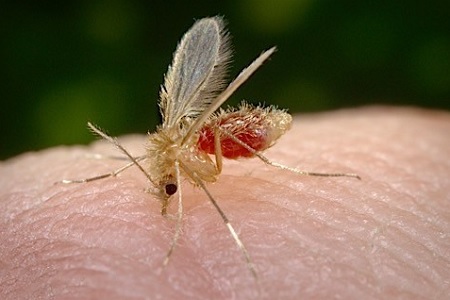
Leishmania infantum is the most widespread species in Italy, especially in the southern regions, where climatic conditions favor the development of sand flies, tiny yellowish insects about 2–3 millimeters long, with bodies completely covered in hairs, which makes their flight extremely quiet (hence the name “pappataci”). They are difficult to hear and see, which is important for them because the females—the only ones capable of feeding on the animal’s blood—take advantage of their hosts’ nighttime rest to feed. Sand flies are active from May to October, especially during twilight and at night.
In any case, this does not allow a “seasonal” pattern of the disease to be identified, because the incubation period—from infection to the appearance of symptoms—can range from a minimum of 1 month to 4 years.
When the sand fly feeds on a sick animal—particularly on typical lesions, which are rich in parasites—it ingests Leishmania, which travel to the insect’s intestine to reproduce. As the days pass, increasingly more parasitic forms accumulate in the sand fly’s body, causing it to experience a feeling of suffocation that drives it to immediately seek another animal on which to feed.
As soon as it moves to another host and inserts its “mouth” into the skin, some of these Leishmania are released into the animal, where they are quickly “eaten” by white blood cells.
What happens next is crucial in determining the outcome of the infection. If the immune system activates its white blood cells to fight the protozoan, the outcome is generally favorable for the animal. Conversely, if many antibodies are produced, the situation progresses toward disease, because these antibodies cannot fight the infection—as they would a virus or bacterium—but instead bind to it, forming many clusters called “immune complexes” that accumulate in different parts of the body.
In particular, the areas most affected are those where the skin is thinner, such as the face and ears, but also some organs, such as the liver, spleen and kidneys, as well as the eyes and nails. These immune complexes can also block blood flow through the blood vessels, causing microthrombi to form.
The severity of Leishmaniasis therefore does not depend on damage directly caused by the parasite, but on the animal’s immune response to it.
It presents a very complex clinical picture: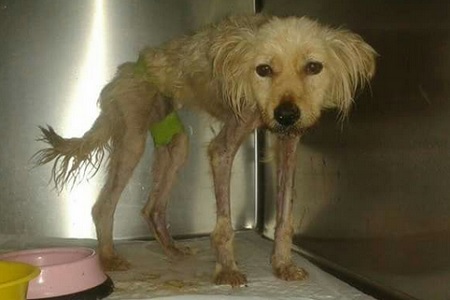
-
Enlarged lymph nodes
-
Enlarged liver and spleen
-
Hair loss and ulcers on the muzzle, ears and around the eyes
-
Onychogryphosis (the nails grow rapidly and become almost curled)
-
Frequent nosebleeds
-
Very noticeable weight loss
-
Anemia with pale gums
-
Conjunctivitis
-
Lethargy
When the kidneys also begin to become damaged, symptoms such as intense thirst and increased urine production also occur, eventually progressing to much more serious conditions leading to kidney failure.
In general, when looking at a dog affected by Leishmaniasis, even one only 3–4 years old, the impression is that of an old and debilitated dog.
Vaccination: yes or no
A few years ago, Virbac placed the first vaccine against Leishmaniasis (CaniLeish) on the market. Although this was a major achievement for veterinary medicine, the news was not actually received with the enthusiasm expected.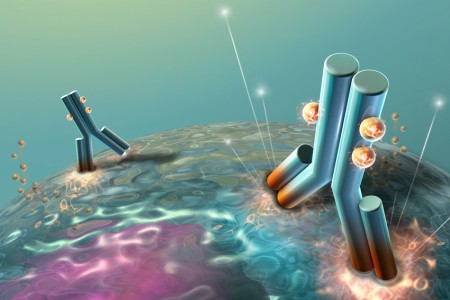
The mechanism on which the vaccine is based is fairly complex compared with traditional vaccines. Let us explain how it works in a very simple way. We have said that the outcome of infection depends on how the immune system reacts to the presence of Leishmania. A response that mainly leads to antibody production is responsible for the appearance of the typical clinical picture of Leishmaniasis. Conversely, if the response is primarily based on an attack by white blood cells, the parasite is effectively eradicated and eliminated.
The vaccine induces the animal’s immune system to act by “sending” white blood cells rather than producing antibodies, naturally only in the event of an attack by the parasite. However, such a precise mechanism is not always possible, so the vaccine is not always successful.
This has raised numerous concerns among veterinarians, for several reasons:
-
It has an efficacy of 70%;
-
It does not prevent sand-fly bites: for this purpose, we must use specific products containing pyrethroids;
-
It does not protect against infection, but prevents or reduces the appearance of the associated clinical signs: in other words, if an infected sand fly were to bite our dog, it could still transmit the parasite;
-
It must not be administered to sick dogs or dogs that have clinically recovered;
-
The cost is fairly high, especially considering the first 3 initial doses (about 70 euros per dose);
-
It does not prevent the parasite from spreading in the environment, where it may continue to be acquired by sand flies from clinically healthy but infected animals.
In any case, the existence of a vaccine certainly represents a major achievement, despite the many doubts raised by some veterinarians and owners. Generally speaking, vaccination may be advisable especially in areas where Leishmaniasis is widespread, but always in combination with standard preventive measures against sand flies. For both vaccinated and unvaccinated dogs, it is good practice to use products active against sand flies during the highest-risk season (from May to October), based on permethrin, which, we should remember, is toxic to cats. In this way, we reduce the likelihood that sand flies will feed on our dog and transmit the parasite to it or, if our friend is unfortunately already infected, transmit it to other animals.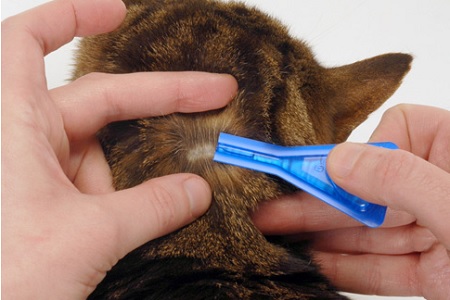
We must also consider that, unfortunately, Leishmaniasis cannot be cured, although its symptoms can be controlled for shorter or longer periods. In addition, it is a zoonosis, so limiting the spread of the parasite in the environment is also necessary to prevent transmission to immunocompromised individuals and children.
Here is some important information about the vaccine:
-
It must not be administered to puppies under 6 months of age
-
The first administration should be carried out in winter, when sand flies are inactive
-
The protocol initially involves administering 3 doses 3 weeks apart, followed by an annual booster
-
Combining it with other vaccines is discouraged; those vaccines should be administered at least 2 weeks apart