
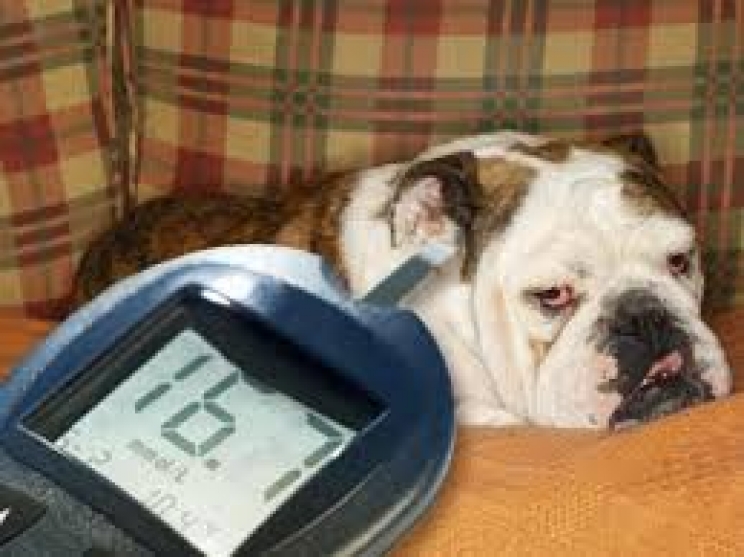
Diabetes mellitus is the common diabetes we hear about in relation to humans. The disease affects dogs and cats through the same mechanism, and because it is caused by the loss of function of an organ, there is no cure. The only way to allow a sick dog or cat to maintain a dignified lifestyle is to administer insulin, the missing hormone, for life, except in rare cases of spontaneous recovery.
What it is and what causes it
Diabetes is the loss of function of the so-called endocrine pancreas. The pancreas is a gland attached to the digestive system that basically has two functions: the first is to help digestion by breaking down food in the intestine, and the second is to regulate the amount of sugar in the blood; when there is too much, it tends to lower its level by stimulating its absorption into the body’s cells, while when there is too little, it stimulates the liver (the “sugar reserve”) to release it into the blood.
Regulation is carried out by substances called hormones. Glucagon produced by the pancreas, as well as other hormones produced by other organs, raise blood glucose (the value measuring glucose, or sugar, present in the blood), while only one hormone, produced by the pancreas, lowers it. It is insulin.
From what I have said, it follows that if the pancreas has a defect, the action of glucagon is replaced by other hormones, whereas insulin’s is not. Diabetes occurs precisely when self-produced insulin is lacking.
Generally, the causes differ in dogs and cats.
In the dog, the problem is usually that the pancreas stops functioning and therefore stops producing hormones. In some breeds, it decreases in size for no apparent reason; in others, an inflammatory event (pancreatitis) inevitably compromises its function.
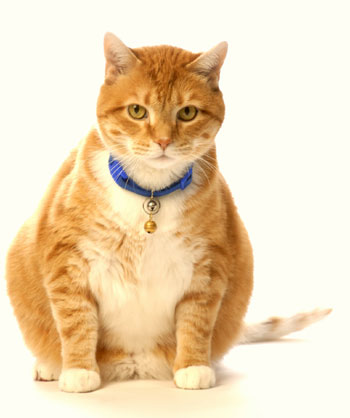
In the cat, on the other hand, we usually have functional exhaustion: the pancreas is intact but does not work as it should. This is caused by an excessively high amount of blood sugar, generally due to an incorrect diet: lots of sugar means lots of insulin to lower it. Over time, the body becomes less and less sensitive to insulin, and more of it must be produced to lower blood glucose. Thus, demands on the pancreas increase, and it produces more insulin. The body becomes even less sensitive, and so on; at a certain point, unable to meet the demands, it simply stops producing it, or produces only a very small amount. Consequently, sugars remain in the blood, and diabetes develops.
What it does
The most striking symptoms of diabetes are four: polyuria, polydipsia, polyphagia, weight loss, along with others such as cataracts (caused by excessive sugar in the eye), urinary infections, and the dangerous diabetic ketoacidosis, which can lead to death. Let us therefore explain each symptom appropriately to provide an overall picture.
- Polyuria: the production of a great deal of urine; it is clearly noticeable that the animal urinates more, or more frequently, than usual. Sugar carries water with it. Since there is a great deal of it in the blood, we also find a great deal in the urine, and by attracting water, the pee will be more abundant than usual.
- Polydipsia: drinking more than normal. This is a direct consequence of the large loss of water caused by heavy urination.
- Polyphagia: eating much more. Normally, when there is a lot of sugar in the blood, insulin is released which, in addition to lowering its level, stimulates the “satiety center,” a part of the brain. If insulin is not produced, the animal will never feel full and will be constantly hungry.
- Weight loss: glucose is in the blood but does not enter the cells (it would if stimulated by insulin), where its function is to provide energy. The body therefore finds itself without energy and, to compensate, breaks down stored fat. Consequently, the animal loses a noticeable amount of weight.
Without going into too much detail, the worst symptom that can lead to death as a direct consequence of diabetes is diabetic ketoacidosis.
The presence of many fatty acids in the body, which also causes weight loss, leads the body to activate mechanisms for creating energy from these substances. Paradoxically, activating these mechanisms in the cells requires sugar, which in this case is extremely high in the blood but does not enter the cells themselves.
The only mechanism that remains active without needing sugar is the formation of “ketone bodies,” including acetone. We will notice that our animal’s breath has the typical smell of solvent, and this should alarm us greatly; moreover, in this situation the animal will be so debilitated that it will practically no longer move.
How it is treated and prevented
Except in rare cases of recovery, which occur when diabetes depends on other diseases that can somehow be treated, there is no cure for diabetes.
The only way to survive is to constantly administer insulin to the sick animal for life and have regular checkups with a veterinarian, who will prescribe a dietary plan to follow and, in the case of a dog, an exercise regimen that will stimulate the use of the sugar present in the blood.
Preventing diabetes is impossible in certain cases (in the event of sudden pancreatitis, there was little we could do), but we can certainly act throughout the animal’s life to avoid predisposing factors.
In general, animals must not eat too much: provide only the necessary food and do not leave it constantly available. If the animal, especially a male, is neutered, give it less food to prevent this and other diseases. Exercise is also very important: take dogs for walks and allow cats the freedom to go outside and move around, rather than keeping them shut inside four walls all the time.
Diabetes develops slowly and it is never too late to prevent it, but we must still act. Putting it off until tomorrow could be too late.