

Halitosis is a fairly common problem in dogs and cats. The causes of this condition can range from ineffective oral hygiene to much more serious disorders. Let us look at the main oversights of owners and the conditions that can encourage the formation of bad breath in our animals, as well as how we can improve the problem.
Causes of Halitosis
In most cases, the problem is located in the teeth and mouth.
 Very few owners of dogs or cats consistently attend to their animals’ dental hygiene. Much more often, food debris remains for a long time in the mouths and on the surface of the teeth of our four-legged friends. In this way, bacteria have all the time they need to multiply inside the oral cavity, stimulating the formation of plaque and tartar.
Plaque is a predominantly bacterial deposit, with a gelatinous consistency, that can easily be removed with proper oral hygiene. By contrast, tartar is a more compact and resistant structure. It can form in areas where plaque has already accumulated, through the constant deposition of calcium and phosphates on the tooth surface. When tartar is present, bacteria can adhere and multiply more easily, producing a series of malodorous, sulfur-based volatile compounds.
If tartar is not treated properly, it can lead to very intense inflammatory processes. These may develop in the gums or underlying tissues, causing gingivitis and periodontitis, respectively.
Halitosis in dogs and cats may also be associated with other disorders and diseases. These mainly include:
-
Dental abscesses: these are actual collections of pus that develop in the presence of some serious bacterial infections;
-
Stomatitis, ulcers, mouth sores: these may occur in cases of inflammation, cuts or wounds affecting the gums, tongue or palate;
-
Inflammation of the pharynx or tonsils: pharyngitis and tonsillitis can encourage the production of foul-smelling pus and mucus;
-
Food allergies: dogs and cats allergic to a specific protein source may be more susceptible to inflammation throughout the digestive tract, including the mouth. Animals with allergies and intolerances will therefore be more predisposed to gingivitis and periodontitis. In these cases, it may be appropriate to replace our friend’s usual food with a single-protein food. Ask your veterinarian or trusted retailer for advice.
-
Digestive disorders: in cases of gastroesophageal reflux, gastric juices, food residues and gaseous substances may rise toward the esophagus and mouth, and their odor becomes noticeable in the breath;
-
Diabetes: this is a metabolic disorder characterized by dysfunction of insulin, the hormone that regulates sugar levels in the body. In diabetes, there may be reduced insulin production or a failure of cells to respond to the action of this hormone. There will therefore be an increase in blood sugar levels, a condition known as hyperglycemia, to which the body responds by increasing the use of fats to obtain energy. The consequences of activating fat metabolism mainly concern the formation of so-called “ketone bodies,” including acetone, which are released into the blood. The body attempts to eliminate excess acetone primarily through breathing. For this reason, in diabetic animals the breath takes on a characteristic odor similar to that of ripe fruit, known as “acetone breath”;
-
Kidney failure: this disease is characterized by reduced kidney function, causing the kidneys to lose their characteristic filtering capacity. Among the various substances normally eliminated through urine is urea, produced by the liver from ammonia. In kidney failure, urea cannot be eliminated adequately, so it accumulates in the blood. In dogs and cats affected by this disorder, urea is converted back into ammonia by bacteria in the oral cavity, generating a typical urine-like odor, known as fetor uremicus.
Remedies
{amazonWS:searchIndex=All;keywords=dentifricio cane;showRevs=yes;Availability=Availability}{amazonWS:searchIndex=All;keywords=spazzolino gatto;showRevs=yes;Availability=Availability}
Halitosis, in addition to being a source of discomfort for owners, may also be a warning sign of certain disorders and diseases. For this reason, we must first have our four-legged friend examined by a veterinarian, who can identify the source of the problem and provide specific advice or treatments to resolve it. As we have seen, it may be a “simple” matter of hygiene, or a condition requiring targeted treatment.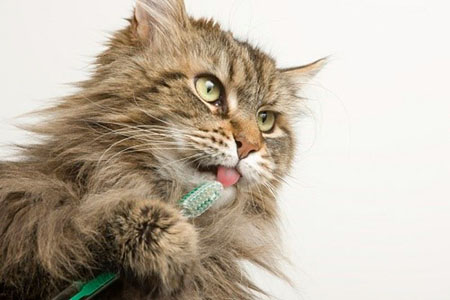
For example, in the case of tartar, it may be appropriate to have the animal undergo dental scaling (you will find all the relevant information in the article devoted entirely to this link). More serious disorders, such as diabetes or kidney failure, will require specific treatment, which only a veterinarian can provide.
In any case, there are several very effective remedies for improving the problem:
-
Get the dog or cat used to using toothpaste and a toothbrush
-
Use spray toothpaste
-
Improve the diet with specific products
-
Use dietary supplements that reduce the proliferation of bacteria responsible for bad breath
-
Offer sticks and treats that counteract the formation of plaque and bad breath
There are truly many solutions available to us, but remember that a visit to the veterinarian should always be the foundation for addressing any health problem.