
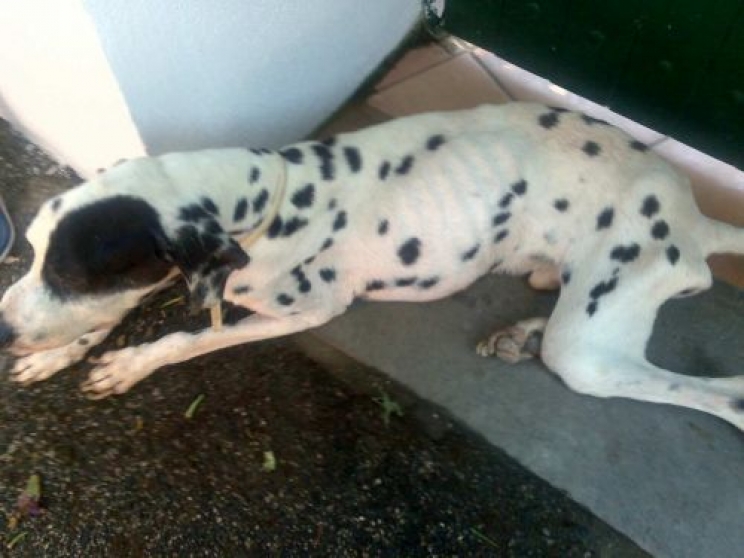
We often hear about kidney problems in elderly dogs and cats, as well as in people.
The kidneys are much more important organs than people think, and their main task is to remove toxic substances from the blood and excrete them in urine.
If the kidneys stop working, toxins remain in the blood and begin damaging the organs, causing extremely serious harm and potentially death. While this situation develops very slowly and gradually in elderly animals, there is another, in some ways even more dangerous, variant that appears suddenly: it is called acute kidney failure.
Causes
There are many reasons why a dog or cat may develop acute kidney failure. Some are easily avoided, while others are more insidious. Fortunately, this condition can be resolved because, when the kidneys themselves are not affected, removing the cause of the damage allows them to start working again; a veterinarian can therefore completely cure this condition.
Some causes are called pre-renal, meaning they depend on a phenomenon that occurs before the blood reaches the kidney.
One of the most common is a drop in blood pressure: if blood pressure is low, blood does not reach the kidney, which therefore cannot filter it and effectively does not function; there may be liver diseases in which the liver can no longer detoxify toxic substances ingested with food so that the kidney can excrete them; high fever can also cause kidney failure in some cases.
These conditions, however, are usually easily noticed by the owner because the symptoms are particularly obvious.
More attention must instead be paid to renal causes, namely the presence of substances that directly damage the kidney: some are infectious diseases such as Leishmaniasis or Piroplasmosis, while others are poisonings: ethylene glycol (car antifreeze) is dangerous, as are human medicines given to dogs, or the ingestion of grapes, which contain active compounds that damage the kidney. These causes generally result from owners’ mistakes, which is why we must be especially careful.

Finally, there are post-renal causes, which usually depend on obstruction of the urinary tract. Stones, in other words. In this case too, other symptoms appear before kidney failure develops: the animal (cats are especially susceptible), particularly males, becomes extremely distressed and passes urine drop by drop because of the pain caused by the stones. In this case, a veterinarian must act as soon as possible to remove them.
How to recognize acute kidney failure
Regardless of the causes, which we have described mainly so that you can think about and understand what the problem might be if it occurs, what is truly important for an owner is recognizing the symptoms: untreated kidney failure is fatal, for the reasons explained at the beginning, and that is why, if you recognize this condition, you must act as soon as possible.
The first thing we notice is a state of general malaise. The animal does not move, refuses to eat, sleeps or simply stays off by itself; there may be a fever, and the nose may be warm and dry.
There are then episodes of vomiting, because toxic substances that are not eliminated by the kidneys remain in the blood, and when they become numerous they stimulate the stomach’s vomiting reflex. Thus, in this state of malaise, the animal may vomit more than once. If it has not eaten for some time, only gastric acids may be expelled. Traces of blood may be present in the vomit.
A very characteristic symptom, however, is anuria, the complete absence of urination. If you keep the dog indoors, think about how long it has been since it last urinated. If many hours have passed and you take it outside but it does not urinate (if there are no kidney problems, even with a high fever it will still urinate), this could indicate that there is no urine in the bladder at all—in other words, it is not being produced—or that it cannot pass.
Pay close attention to this detail if the dog or cat (from the litter box) has not urinated for more than seven or eight hours.
If the condition worsens, tremors and seizures begin, but by this point any responsible owner will have taken the animal to a veterinarian, especially because once these symptoms appear there is very little left to do, and even the veterinarian may no longer be able to resolve the situation.
For this reason, it is important to know how to recognize the symptoms so you understand that you need to go to a veterinary office or clinic as soon as possible.
Knowing the causes allows us not to give dogs dangerous foods or human medicines and not to leave antifreeze within a dog’s reach (!), while knowing the symptoms allows us to resolve as quickly as possible a problem that, in good faith, may not depend on us.
But it places our four-legged friend’s life in serious danger.