
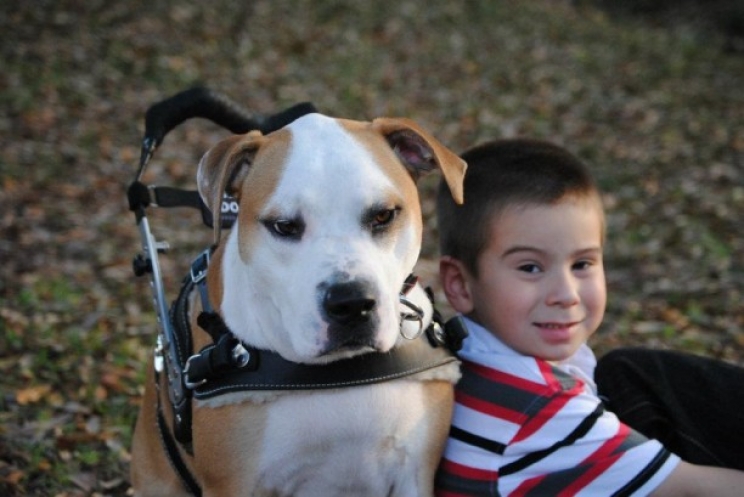
That dogs are man’s best friends is well known, but perhaps not everyone knows how effective their presence can be in treating physical illnesses or those related to the psychological sphere. We are talking about pet therapy, known in Italian as zootherapy: a therapy which, through the presence of four-legged friends, helps patients recover or at least alleviate the symptoms of a specific condition.
What is pet therapy? It is essentially a deep relationship based on physical contact between patient and animal. Dogs are among the animals most commonly used in this field, together with horses, because we are well aware of their affectionate nature and their ability to understand human needs. Dogs also have an extraordinary sense of smell, which enables them to detect the presence of illnesses and stay even closer to the sick person. This is a marvel of nature, as this sensitivity helps people overcome difficult moments and regain confidence in themselves. Pet therapy is practised both with people who are ‘physically’ ill and with patients experiencing psycho–emotional disorders. In particular, this therapy is used in the mental recovery of children suffering from behavioural disorders or who have experienced trauma.
This is the case with the therapy applied every day at Niguarda Hospital, in the Spinal Unit section. Patients waiting for their physiotherapy session are assisted by four very special therapists: Happy and Angel, two honey- and chocolate-coloured Labradors, the Belgian Malinois Alinghi, and the black female Labrador Iana. The ward houses people of very different ages, from children only a few years old to adults who have suffered serious accidents or have spina bifida. Their mobility is severely limited and patients can move around only in wheelchairs. The physiotherapy session is truly special, as it comes alive with throwing balls and frisbees, paragility courses, or placing tasty treats. Simple actions help patients rediscover their enjoyment of everyday movements while working their limbs and torso. The affection the dogs show on these occasions is unconditional, as they look at the patients with gentle eyes and accompany them through a playful, cheerful experience. ‘Good humour’ is, in fact, the key phrase of pet therapy: the discipline aims to enable patients to have fun with their four-legged friends while stimulating physical and neurological activities.
In this regard, we were touched by the story of Sasha, a beagle puppy who assisted her young owner in the Lecce area after he was the victim of a terrible road accident. The animal’s presence is making an important contribution to the child’s recovery, so a few days a week the puppy is given a thorough disinfecting bath and made to lie down at the foot of the bed where the child is hospitalised. It is a beautiful story of hope, which can support the little boy’s recovery thanks to the profound relationship of empathy established between the two.
In addition to correcting physical disorders, dogs are used to treat behavioural disorders in children. This extremely difficult process has produced incredible improvements in patients, because children affected by such disorders often do not trust human beings and direct all their affection towards the puppies. In this case, pet therapy works to establish a broader relationship of trust and bring to light possible traumas that led to the illness. Dogs possess an infinite ability to understand suffering, so children, who are notably sensitive creatures, rely on their presence and manage to correct their disorders by drawing inspiration from their liveliness.
Pet therapy has helped and continues to help thousands of patients in difficulty, giving them the opportunity to begin an intense path to recovery—less conventional but perhaps more effective than standard therapies, because the emotional aspect merges with the need for healing, encouraging it naturally and, in many ways, enjoyably.