
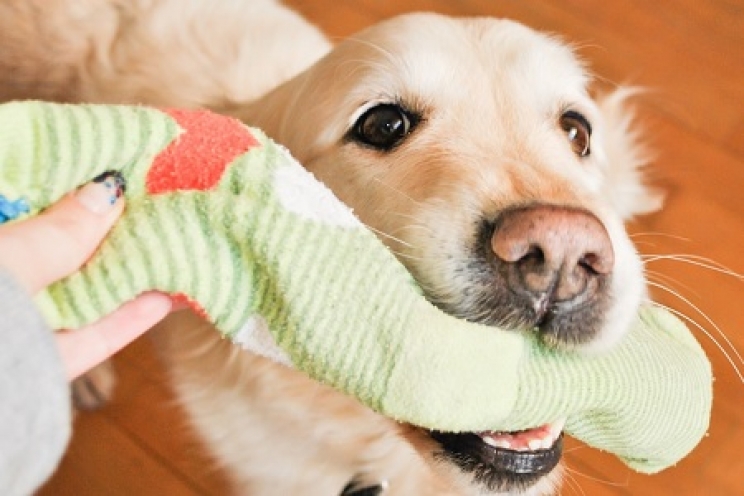
Dogs and cats, especially when they are very young, naturally tend to swallow toys and small objects taken from around the house, stones, socks, and even their own feces. However, this behavior, known as “pica” or “pica syndrome”, may be a warning sign of concerning problems, as well as posing a serious risk to the health of our four-legged friend.
Causes of pica
Pica is a particularly insidious problem because owners do not always manage to identify it. Ingesting non-food material is, in fact, fairly common in dogs and cats and in most cases has no connection with pica. Consider, for example, animals that chew, lick, and destroy their toys and the objects available to them, perhaps because they want to massage their gums during teething or simply out of curiosity. Another particular example is dogs that eat grass, often because they find it appetizing, especially if they need fiber or want to eliminate hairballs. 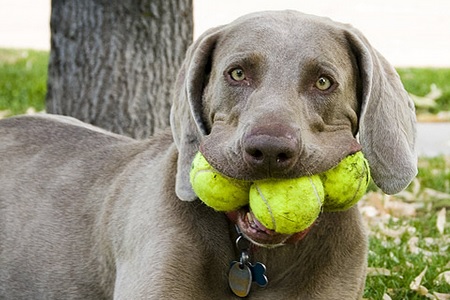
These behaviors are common in animals, but we cannot speak of true “pica” unless they display specific characteristics. Generally speaking, dogs and cats with this problem tend to approach the object, lick it, chew it, and then swallow it.
The most commonly implicated objects include:
- Stones
- Clothing such as socks and tights
- Toys
- Shoelaces
- Drawstrings used to close garbage bags
- Hair
- Soil and mud
- Litter granules
There can be many causes, so it is important to bear in mind that each animal has its own history and a specific underlying problem, which can be identified and resolved only by a specialist. In any case, the main causes include:
- Seeking attention: when a dog—or less often a cat—feels neglected by its owner, it may engage in inappropriate behaviors to attract attention, including pica. Although this may seem like convoluted reasoning, it is enough to consider that even a reprimand can represent a major victory for the animal, so it performs these dangerous “mischiefs” precisely to gain a few seconds of attention;
- Anxiety and frustration: this type of problem may also fall within the sphere of compulsive disorders;
- Stress: dogs, and cats even more so, become stressed very easily, and small changes are often enough to trigger dangerous health consequences such as pica;
- Malnutrition: sometimes dogs tend to eat their own feces (in this case, it is more precisely called “coprophagia”) or those of other animals if traces of nutrients that may be useful to the body are still present;
- Vitamin and mineral deficiencies: animals may find the substances they lack in soil, mud, or even by licking walls;
- Diseases: all conditions that cause increased appetite may encourage pica, such as anemia, diabetes, and thyroid or liver disorders;
- Intestinal parasites: some parasites, such as tapeworms, may increase the animal’s appetite;
- Genetic predisposition: Siamese and Persian cats appear to be more prone to pica.
Consequences
Ingesting objects or non-food material is behavior that can become extremely dangerous. Essentially, objects tend to cause the typical consequences associated with foreign bodies in the stomach or intestine. If, instead, the animal tends to ingest more natural substances such as mud, soil, or litter, it may develop other types of problems. Let’s look at the main harmful effects of pica: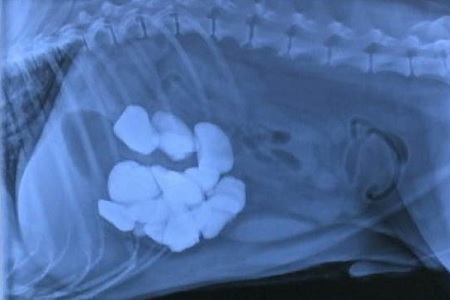
- Constipation and intestinal blockage: an object or a clump of litter may remain stuck in the intestine for a long time, preventing food and feces from passing. An intestinal obstruction is a very serious problem that often requires emergency surgery. The risk associated with ingesting balls of wool, string, and laces is even more unusual: these may “catch” at one point in the intestine, causing it to twist around itself;
- Laceration and perforation of the stomach and intestine: a sharp object or a stone can easily cause fairly deep cuts anywhere along the digestive tract, from the mouth to the anus. In the most severe cases, they may even pierce the walls completely, causing bleeding and serious infections;
- Intoxication and poisoning: if animals ingest objects made with harmful substances—as often happens with cadmium batteries—they may suffer severe poisoning.
Sometimes ingested substances pass into the feces or are vomited by the animal without particular difficulty. Symptoms associated with one of the consequences listed above mainly include repeated, unsuccessful attempts to vomit or defecate, weakness, persistent whining, refusal to be touched, and loss of appetite.
How to intervene
The first thing to do is certainly to speak with our veterinarian, who will identify the cause of the problem and rule out any diseases or disorders. If the veterinarian believes it may be a behavioral problem, we can consider consulting a specialist before the situation becomes too dangerous.
Do-it-yourself remedies instead include:
- Putting unpleasant-tasting substances on the objects the animal usually eats (sweet almond oil is often used)
- Keeping the objects that attract it most in an inaccessible place
- Regularly taking an inventory of its toys
- Changing its diet with a product specific to its needs
- Reducing stress levels by playing together, taking the dog out frequently, or placing scratching posts for the cat
- Not scolding it when it eats something
- Replacing the cat litter with a very fine type or soil
If it has already swallowed something and we notice unusual behavior, we should not hesitate to take it immediately to the nearest clinic.