The Persian cat is known for its long coat and compact build. Its appearance varies, especially around the face. Care needs depend on coat, conformation and individual health. Before choosing a Persian, consider grooming time, eye care and possible veterinary needs.
Temperament
The FIFe standard mainly describes physical features and does not require a particular temperament. It would therefore be inaccurate to claim that every Persian is calm, affectionate or inactive. Behaviour depends on the individual cat, its experiences and its environment.
Provide hiding places, accessible perches and the option to retreat. Let the cat initiate contact and respect signs of tiredness. In homes with children, teach them not to pull the coat or lift the cat without supporting its body. Our guide to playing with your cat suggests brief, respectful activities.
Appearance
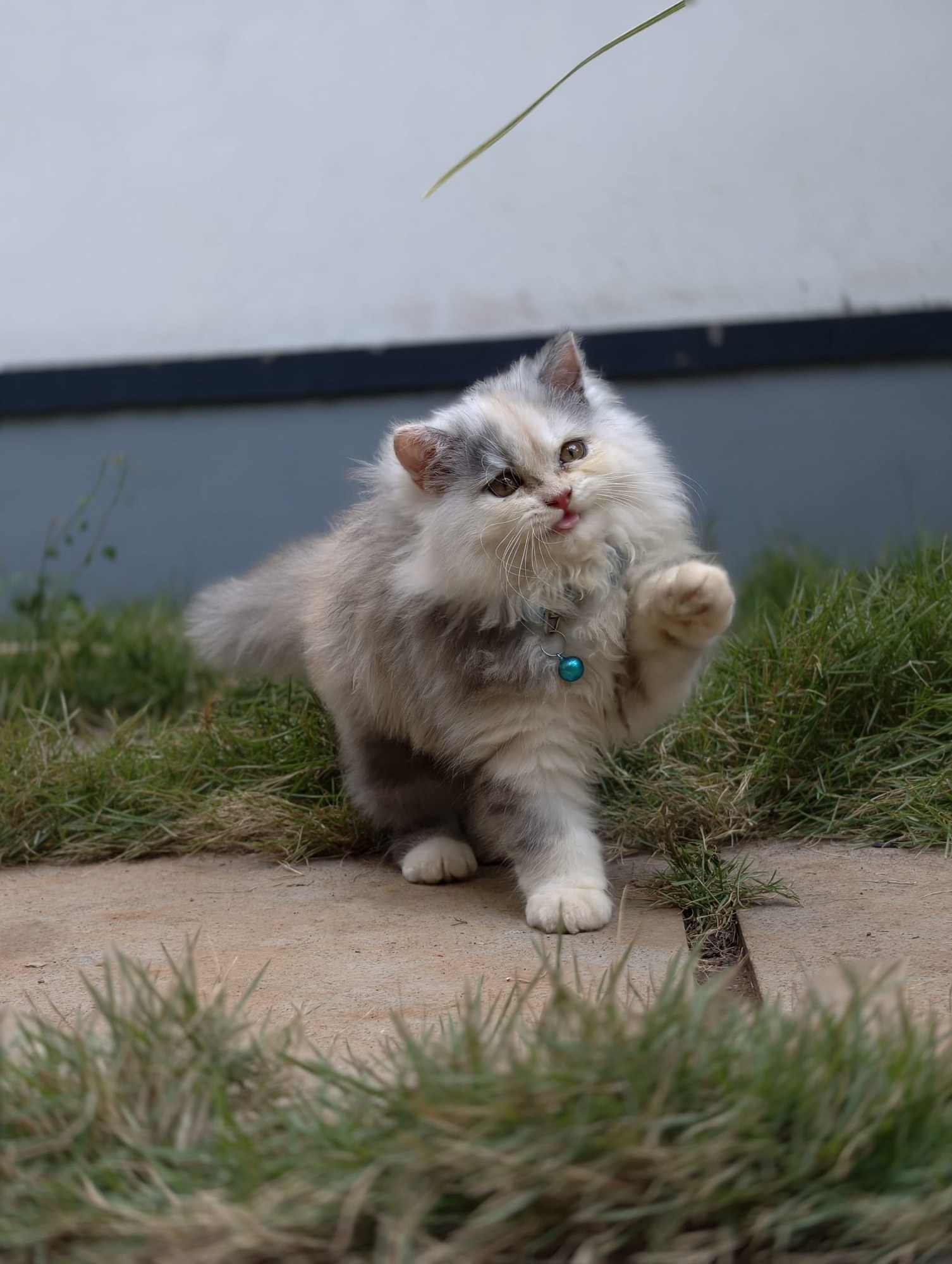
The FIFe standard describes a medium-to-large, cobby and muscular cat with a round head and broad skull. The nose is short and broad, with a definite stop, but should not be snub. The nostrils should remain open for easy airflow. The eyes are large and round.
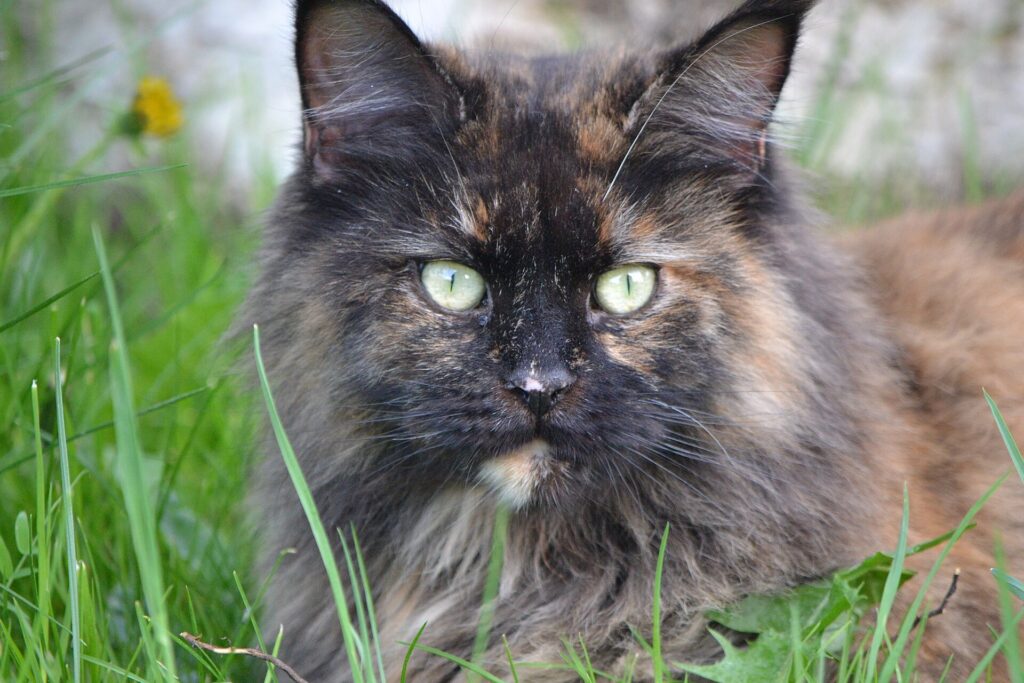
The coat is long, dense and silky, with a full frill over the shoulders and chest. The tail is short and bushy. Face shape varies between individuals. International Cat Care warns that very marked brachycephaly can be associated with eye, dental or breathing problems. This risk concerns extreme conformation, not every Persian.
Coat care requires regular combing to prevent mats and trapped loose hair. Check around the eyes and nose, but avoid products without safe guidance. Introduce grooming in short, positive sessions. For practical advice, see our guide to long-haired cats and our guide to hairballs.
Brief history
FIFe includes the Persian among the breeds it has recognised since 1949. Its modern history is associated with the selection of longhaired cats and the later development of breed standards. Classifications and standards have changed over time. Recognition dates do not establish a precise biological origin.
The name Persian is used for this breed in many languages. The history of longhaired cats has been told in different ways. When sources do not agree, avoid assigning the entire breed to one journey or ancestor. Documented history and the current standard are separate reference points.
Lifestyle
Arrange food and litter so they are easy to reach. Quiet resting places and scratching surfaces support a predictable routine. Short games can suit a cat that does not want to run for long. Always respect individual preferences and breaks.
- Comb regularly and loosen mats without pulling.
- Clean eye discharge only with safe advice.
- Provide fresh water and separate resources from other pets.
- Check that facial shape does not hinder breathing or eating.
If the cat struggles to eat, breathe or groom itself, seek veterinary assessment. Do not treat these problems as inevitable breed traits. Food and activity should suit each cat’s age and health. Introduce routine changes gradually and keep a quiet place available.
Health conditions
Inherited polycystic kidney disease, or PKD, is documented in Persians and some related breeds. Cornell University explains that cysts develop in the kidneys and may affect their function. A cat does not necessarily develop the condition simply because it belongs to the breed.
Genetic tests exist for known variants, and a veterinarian can advise whether ultrasound or other checks are appropriate. Ask about parental results when choosing a kitten. A test covers the variants examined; it is not a full assessment of kidney health. Diagnosis and monitoring belong with a veterinarian.
Facial conformation also matters. International Cat Care notes that very extreme features can affect tear drainage, eyelid closure and breathing. The FIFe standard requires open nostrils. If you notice noisy breathing, persistent discharge or difficulty eating, arrange a veterinary visit.
Interesting facts
The full frill over the shoulders and chest is a distinctive standard feature. Coat length makes individual differences visible, but it also requires regular care. Dense hair can trap mats and dirt if it is not checked gently.
A Persian’s face is a welfare consideration, not merely an aesthetic preference. Official standards specify nose and nostril features, while veterinary sources describe risks from extreme conformation. Choosing a cat that breathes comfortably matters more than a very flat appearance.
Gait
The FIFe standard consulted describes build and legs but does not set a Persian-specific gait test. We therefore do not assign an undocumented characteristic stride. Observe how the cat moves on its own at home. Do not ask for jumps or runs as a test.
Reduced activity, stiffness or reluctance to jump may have different causes. If the change persists, contact a veterinarian. Do not try painful handling or exercises. A video of normal movement may help at an appointment if requested.
Ideal owner
A Persian may suit someone with time for coat care and for checking the eyes and breathing. They also need to plan for regular veterinary care. Temperament is not guaranteed by a breed standard; get to know the individual before deciding.
Ask a breeder or rescue about grooming, health and routine. Check what PKD screening has been done and observe the cat’s breathing at rest. Consider whether the household can respect its pace and provide accessible surroundings. A responsible choice prioritises welfare and compatibility, not just the coat.