

The stomach is a very important organ in the digestive system of our pets. Both dogs and cats are carnivores, so protein digestion, which occurs in the stomach, is much more important than fiber digestion, which occurs in the large intestine.
This means that gastritis, inflammation of the stomach, is much more debilitating in a dog or cat than it would be, for example, in a horse.
In addition to being painful in itself, gastritis also causes another fundamental problem: malnutrition. Since food is not digested, even if the animal eats it, it does not absorb it, and the result is the same as not eating at all.
Causes of gastritis
To digest food, the stomach produces an acid known as gastric juice. Ours produces a certain amount, while that of carnivorous pets produces much more in proportion. The chemical formula of this juice is HCl, or hydrochloric acid, the same substance that we all have at home, diluted as muriatic acid.
When things work properly, the stomach produces acid by taking its starting components from the blood vessels. The acid does not digest only the contents of the stomach, but also the stomach itself: fortunately, a regeneration mechanism continually recreates the inner lining of the stomach. Within 24 hours, the gastric lining, consumed on one side and recreated on the other, is completely new.
Gastritis occurs when this mechanism stops working: if, for some reason, too much acid is produced or regeneration is ineffective, corrosion of the stomach exceeds regeneration and affects the deeper layers, where blood vessels and nerves are located, causing not only damage but also severe pain.
Gastritis may first be caused by problems with the food: if it is spoiled, toxic (for example, an inedible mushroom), or if an indigestible material such as plastic has been swallowed. In this case, the pain will last as long as the food remains in the stomach, after which it is generally expelled through vomiting, the stomach’s defense mechanism.
There are also microorganisms that can cause gastritis as a primary effect; most bacteria and viruses are digested, just like meat, but some manage to resist and damage the stomach wall, causing it to become inflamed, regeneration to fail, and gastritis to develop. Resolving it is more complex in this case because treatment with suitable antibiotics prescribed by a veterinarian is needed to kill these pathogenic microorganisms.
Drug abuse is another circumstance that can lead to gastritis. Medicines, particularly anti-inflammatory drugs that we and our animals take when we have any type of pain, damage the stomach wall because they stimulate acid secretions. If the animal takes too many or takes human medications (always ask the veterinarian for advice before giving one of our medicines to our dog or cat), this mechanism could be triggered and cause gastritis. Clearly, it is important not to continue giving these medicines to our four-legged friend because instead of relieving the pain, in this case we will make it worse.
The most serious cases of gastritis occur when there are other concurrent diseases that are difficult to resolve, including kidney failure, liver failure, and certain types of tumors. In this case, gastritis is not a primary problem but one of the many consequences of these conditions: clearly, they must be addressed, but gastritis can be a warning sign that such problems exist and should be reported to our veterinarian.
How to recognize gastritis
How do we recognize gastritis? The main symptom is vomiting, possibly with some blood. Always look at it before cleaning it up.
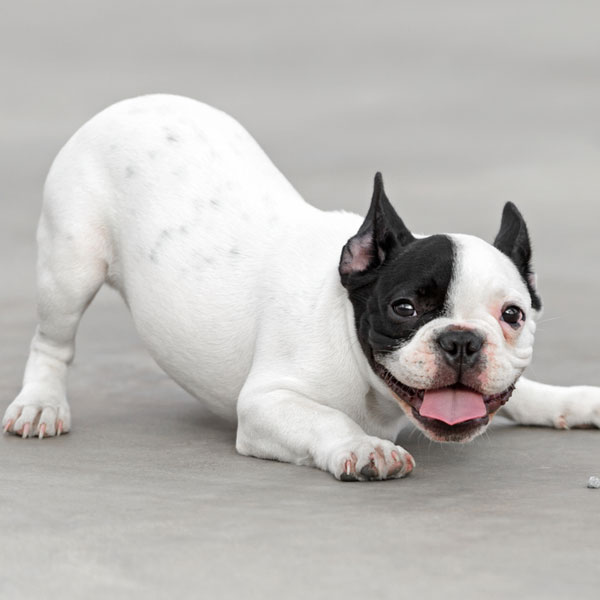
Obviously, our dog or cat is unwell, so it does not play, moves little, does not eat, and if the pain is severe, it may assume a particular position known as the “Muslim prayer position” (reminiscent of the posture Muslims adopt when praying): front legs extended forward, head close to the floor, and hindquarters raised.
If we have any doubts, we can gently massage the animal’s belly: if it is in pain, it will tend to “curl up” and in some cases will try to scratch and bite us.
If this situation continues over time, it is best to take the animal for an examination, which will certainly help, especially because animals complain little and rarely cry out, but they do feel pain. Very much.