
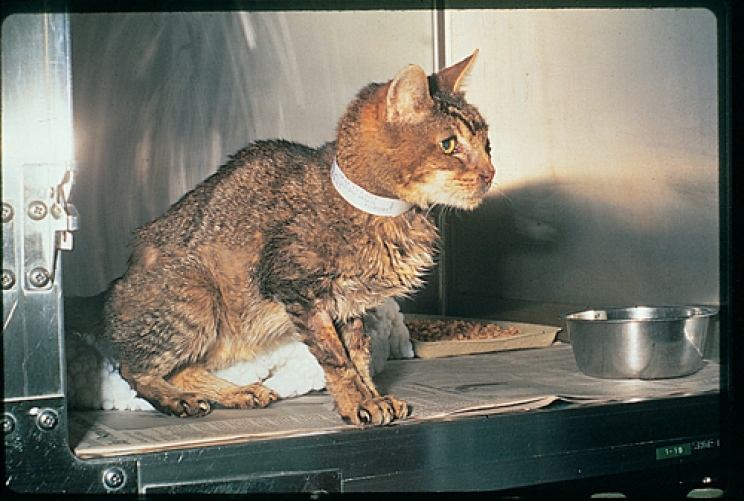
Cats are much more susceptible than dogs to contracting infectious diseases.
This depends on their habits and behavior: while a cat is allowed to roam freely and therefore encounter other cats, including many strays, a dog is almost always with its owner and, although it is more exposed to other dangers such as poisoned bait, it can be protected fairly well from contracting infectious diseases.
One of the most dangerous diseases for cats, and one most feared by owners along with FIV, is FeLV, or feline viral leukemia. On this page, we will try to understand what it is, what its effects are, and above all how it can be prevented.
What FeLV is and how it is transmitted
FeLV is an infectious disease caused by a virus, specifically a retrovirus, belonging to the same family as human HIV and the virus that causes FIV in cats. It only affects cats, so dog owners can rest easy, as can owners of sick cats, who cannot contract this disease in any way.
The virus enters the body in multiple ways, which is precisely what makes the disease so contagious: once inside, it can reproduce in various cells of the body but prefers those that would normally defend the cat: the lymphocytes, which are the body’s “police officers”.
These cells are found in all tissues and are often eliminated through secretions: saliva, feces and urine. The virus does not survive long in the external environment, so we do not need to worry if the cat passes near cat feces that have been there since the previous day. Instead, we need to pay attention to direct contact with other cats, especially during the season when female cats are in heat, when they bite and scratch each other and fight to mate. Unlike FIV, we must also pay attention to whether the cat eats or drinks from places where other cats, which may be sick, also eat or drink: the virus is present in saliva, and if two cats drink at the same time, it can be transmitted from one to the other through the mouth.
Finally, if a female cat is infected, the disease can be transmitted to her kittens during the first days of life, and they may develop the disease while still very young.
What it does
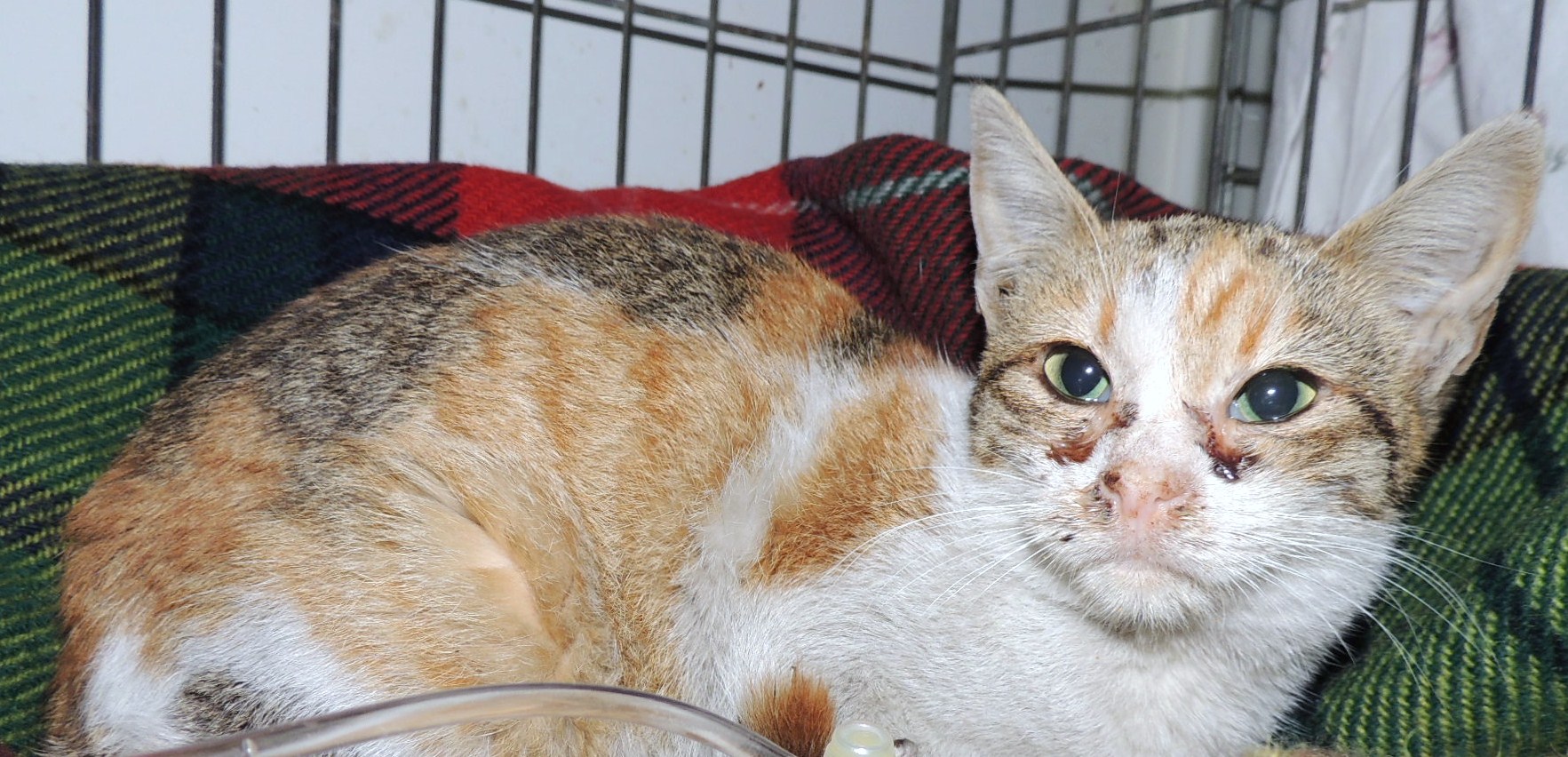
The symptoms caused by the presence of the virus vary from cat to cat, and it is impossible to predict what they will be: some cats even manage to eliminate the virus on their own, others are sick but show no symptoms, while others have very nonspecific symptoms (fever, little desire to move, poor appetite), and some develop the most severe symptoms, lymphomas, which are effectively tumors that can appear in various parts of the body and must be treated with surgery (when possible) or chemotherapy.
Beyond the problems these lymphomas can cause, due to excessively increased lymphocyte production in the cat’s body (a condition called leukemia, hence the disease’s name), we must consider that these cells no longer work as they should, meaning they no longer defend the body. This means that any other virus or bacterium entering the body will have a much greater chance of causing harm than it would in a cat that does not suffer from FeLV.
To assess the presence of FeLV if we observe any of these symptoms, we must take the cat to the veterinarian, who will perform a simple blood test. If this test detects antibodies (“weapons” that fight the virus) against the FeLV virus in its blood, it means that the cat encountered it in the past and may, with a good degree of probability, be infected.
How it is treated and prevented
Unfortunately, there is currently no cure for FeLV, just as there is none for many other similar diseases (consider HIV). Supportive therapies exist, based on administering vitamins and products that stimulate the immune system to do its job, thereby ensuring the sick cat a dignified life, but they never cure the disease.
For this reason, the only effective method currently available to an owner is prevention.
Preventing the cat from having contact with strays is certainly the best solution, although it means not allowing it outside; neutering or spaying, in any case, reduces the cat’s desire to roam and drastically decreases the chances of contracting FeLV.
We should ensure that our cat does not eat or drink from bowls also accessible to other cats that are not ours and might be sick. In addition, if we already have a FeLV-positive cat, we should avoid getting another cat, because sooner or later the second one would most likely become infected as well.
As always, pay close attention to symptoms and ask the veterinarian to test for the disease when we realize that the cat is showing them: if it is weak, or seems somewhat unwell (not seriously ill, but not quite well) for several days.
If we have a young cat, we can instead consider the vaccine: it is a new vaccine that protects against the disease most of the time (though not always) and is still being improved, unlike other vaccines.
It is administered for the first time when the cat is young and then renewed with annual boosters. Although we cannot be mathematically certain that the cat will not contract FeLV during its life, it is always better than nothing.
A combination of the vaccine and the other prevention rules discussed should, in any case, provide fairly reliable protection for our four-legged friend.