
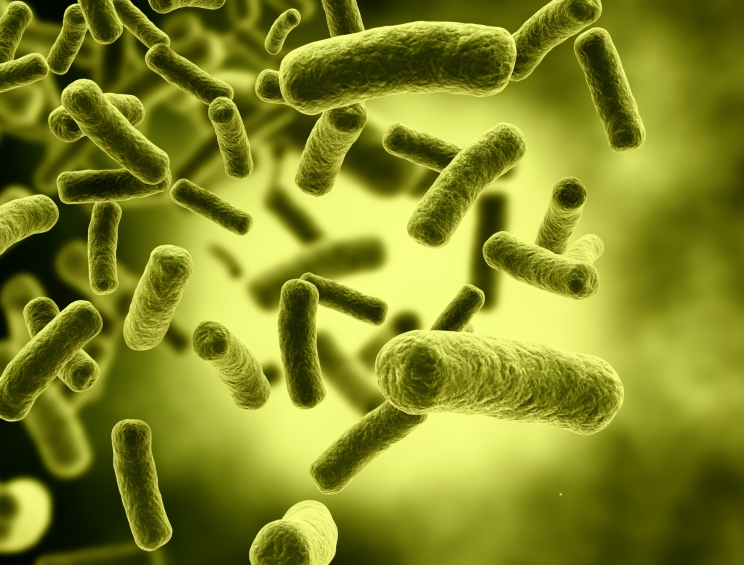
Colibacillosis is one of the lesser-known bacterial diseases affecting dogs (it can also affect cats, which, because of their different habits, rarely contract it), but it is also one of the most dangerous.
It is closely linked to the hygienic conditions of the environments in which animals live, and mainly affects puppies, although it cannot be ruled out that adults may contract it.
It is important to recognize the symptoms immediately, because this disease can also lead to death within a very short time.
What it is and how it spreads
You have probably heard of Escherichia coli, which at school is usually shown in science books as an example bacterium for explaining bacterial biology.
In fact, it is an example that lends itself very well because it has been studied extensively, as it is commonly found in the intestines of animals and humans and normally causes no particular problems.
It normally lives in the intestine together with many other bacterial species, unless it proliferates significantly when environmental hygiene conditions are poor or an animal’s immune system is not in peak condition.
It is acquired exclusively through the feces of another animal, and is not very resistant in the external environment, so feces must physically be present in order for it to be contracted. The disease develops only if many bacteria are ingested, whereas if there are only a few, no problems will occur.
The most typical situation for transmission of colibacillosis is a litter living in poor hygienic conditions: puppies do not have a highly developed immune system, and if the mother defecates near them and nobody removes the feces, the puppies, while exploring, will eventually lick them and ingest a large quantity of E. coli.
Stress, poor hygiene and young age are the three factors that can lead to the onset of the disease. If one of these conditions is absent, these bacteria are unlikely to cause harm.
What it does
When the conditions described above are present, the bacteria can pass from the intestine into the bloodstream. Initially, their most dangerous action is the production of a toxin called colitoxin, which causes vasodilation: the blood vessels become wider and more blood flows through them, allowing the bacteria to enter the bloodstream and increasing their ability to spread.
Blood is an excellent medium for the spread of bacteria and gives rise to a very serious infection called septicemia, that is, a widespread infection of the blood.
The blood is no longer able to perform its primary function, namely transporting oxygen to the various organs.
This results in dehydration, depression and extreme weakness; the dog moves poorly and, although it may initially have a fever, after a while its temperature begins to fall below the normal body temperature of a dog.
Diarrhea is always present because the intestine is where the infection begins, but vomiting may also occur, preventing dogs from eating and drinking (or rather, from absorbing the substances they take in). If untreated, this condition can also lead to death because debilitation is the best ally of bacterial spread, allowing the bacteria to take over.
How it is treated and prevented
Treatment for this infection is not difficult, because there are many medicines capable of destroying E. coli without causing particular problems.
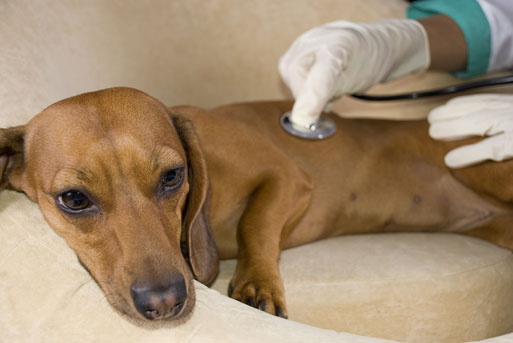
The important thing is to act quickly with treatment: as soon as we notice these symptoms (and we notice them because the dog is visibly ill), we should take it immediately to a veterinary clinic. There, fluids and lost mineral salts will be replenished through an IV drip, putting the body in the best possible condition to fight the infection. Antibiotics will then do the rest by killing the bacteria and thus bringing the animal or animals to a rapid recovery.
As for prevention, maintaining the hygiene of the environment where dogs live is certainly the best way to prevent infection: removing feces means that even if dogs ingest small quantities of bacteria from the environment, they will never consume enough to develop the infection. Obviously, regular veterinary examinations and a good diet, as well as a calm environment, will reduce the animals’ stress so that their bodies can halt the infection at its onset when necessary.