
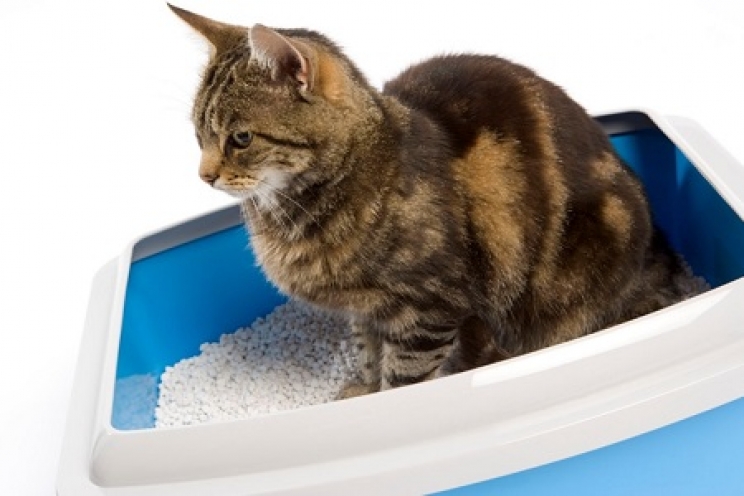
The presence of traces of blood in a cat’s urine may signal a fairly common problem in domestic cats: urinary tract disorders. Recognizing them and understanding their causes is the first step in helping our cats.
Hematuria is the medical term used to describe the presence of blood in urine, which takes on a pinkish color, more or less intense depending on the amount of blood. This symptom is often associated with other signs that cats may show in the presence of various disorders, including:
-
Polyuria: the cat urinates frequently;
-
Dysuria: the cat assumes its usual position to urinate but cannot eliminate anything;
-
Stranguria: the cat experiences pain during urination and meows or complains;
-
Periuria: the cat tends to urinate in inappropriate places around the house, often in front of its owner;
-
The cat frequently licks its genital area because it feels burning and discomfort.
All these symptoms may be associated with a pathological condition called FLUTD, Feline lower urinary tract disease. This is not a single disease, but an array of disorders that present the same symptoms, including hematuria.
If the problem becomes more serious, other symptoms may also appear, including:
-
Refusal of food and water;
-
Fever;
-
Vomiting;
-
Mental confusion;
-
Listlessness.
Causes
The main causes that may lead to traces of blood in a cat’s urine are:
-
Feline idiopathic cystitis or FIC: this is the most common cause of hematuria. The name of this disorder may sound complex, but it is not. Cystitis is generally defined as inflammation of the bladder, the “sac” that collects urine before it is eliminated. Idiopathic is the medical term used for conditions whose cause has not been established but only hypothesized. Among the theories proposed over the years regarding FIC, the most widely accepted is the nervous-system hypothesis. According to this theory, certain situations may be stressful for cats, such as lack of physical activity or living with other animals, as well as certain incorrect habits, for example if the cat drinks little and eats only dry food. Stress affects the entire body and particularly the brain, which may direct the tension toward different parts of the body, including the bladder. In this case, the brain stimulates the production of substances that can cause pain, sensitivity, swelling, inflammation and all the other symptoms of FLUTD in the bladder. Another aspect of this mechanism, which is not yet fully understood, is that the brain can also reduce the number of glycosaminoglycans or GAGs, particular substances lining the inside of the bladder and protecting it from bacteria. In the absence of GAGs, the bladder is more susceptible to bacterial infections and inflammation;
-
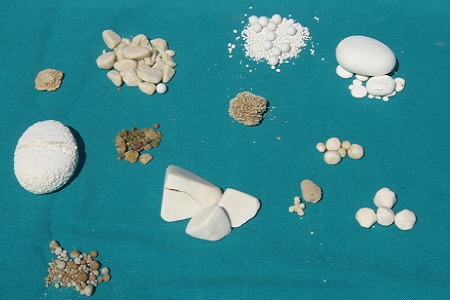
Bladder stones: you have probably heard of stones, especially kidney stones, the classic “gravel”. This problem can also occur in cats, but unlike in humans, where stones are found mainly in the kidneys or the “tubes” connecting them to the bladder, in felines they are much more common directly inside the bladder. Urinary stones may consist of struvite or oxalates. Struvite stones are made of magnesium, ammonia and phosphates, substances normally eliminated by cats through urine. Oxalate stones consist mainly of calcium. If the body produces these substances in excessive quantities or the animal drinks too little water, they can “stick together”, forming crystals that may become lodged in the bladder, scratching its walls or, worse, blocking the flow of urine;
-
Urethral plug: this occurs more frequently in male cats. The urethra is a thin “tube” that allows urine to exit the bladder. In males it is much narrower than in females, so stones and other aggregates can become lodged more easily. As the name suggests, a urethral plug occurs when something becomes stuck in the urethra, partially or completely blocking the flow of urine. The consequences can be very serious because if urine cannot be eliminated, it may back up toward the bladder and kidneys, which could become severely compromised;
-
Bacterial infections: the bladder is one of the organs most exposed to bacteria from outside or inside the body. The urethra comes into contact with the litter, floor and anything on which the cat sits or lies, as well as traces of feces on the animal’s rear. The intestine, and consequently feces, contain many bacteria which, if they reach the urethra, can travel up to the bladder and cause an infection;
-
Parasites: parasites that can inhabit a cat’s urinary system include mainly Dioctophyma renale and Capillaria plica;
-
Urinary tract malformations: these can cause urination disorders;
-
Clotting disorders: these can make a cat’s body more susceptible to hemorrhages and minor bleeding;
-
Medication use: if your cat has recently taken medication, ask your veterinarian whether it should be discontinued;
-
Trauma: in the event of severe trauma to the urinary tract or pelvic bones, traces of blood may appear in the urine;
-
Bladder tumor.
Diagnosis
If traces of blood are present in the urine, it is important to take the cat to the veterinarian immediately. To provide targeted treatment, the origin of the problem must first be determined. The veterinarian will therefore perform:
-
Urinalysis: this is used to assess urine quality and the presence of crystals or bacteria;
-
Blood test: this is necessary to check for infections and determine whether the kidneys are functioning properly;
-
Abdominal X-ray: to assess the entire urinary system and any problems in surrounding areas;
-
Bladder ultrasound: to examine the condition of the bladder.
Once the veterinarian has determined the cause of the hematuria, they can select the appropriate treatment.
In the case of stones, it may be necessary to use:
-
Low-magnesium diet, to reduce struvite crystal formation;
-
Medications that make the urine more acidic, to prevent stones from aggregating;
-
Bladder flushing to remove the stones;
-
Surgery to remove larger or lodged stones.
For infections, antibiotics and anti-inflammatory drugs will be necessary to relieve pain.
 Prevention
Urinary disorders in cats can be prevented through several measures, including:
-
Choose food specifically designed for urinary tract problems, with a low magnesium content;
-
Encourage the cat to drink more by always providing fresh, clean water;
-
Supplement dry food with wet food several times a day;
-
Use GAG supplements;
-
Increase the number of litter boxes in the house;
-
Encourage the cat more to play and exercise;
-
Reduce sources of stress;
-
Use facial pheromone diffusers, which help the cat relax and feel safe.
Remember that traces of blood in the urine may be a symptom of a very serious problem, which should always be assessed and examined by your veterinarian.