
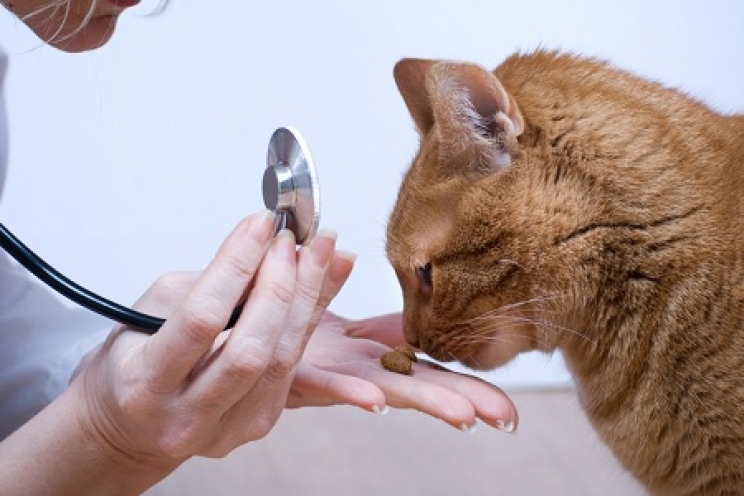
Cats are very sensitive to urinary tract disorders, making them more prone than other species to problems such as cystitis and stones. However, not everyone knows that commercial foods are available to provide nutrition specifically designed for urinary tract problems in cats.
What are urinary tract problems?
Compared with dogs, cats have particular characteristics that make them more susceptible to problems affecting the bladder, kidneys and the ducts that carry urine.
Cats are, in fact, among the animals that can concentrate urine the most. This means they can safely drink less, because they are able to compensate for fluid losses by producing highly concentrated urine.
If you pay attention, cat urine is very dark, almost orange, and has a distinctive smell. Dogs, on the other hand, produce more abundant, more dilute urine, often with a less intense smell.
This aspect is directly related to the ability to concentrate urine, that is, to minimize its water content compared with the other substances normally present, such as minerals.
The problem arises when the cat begins to urinate very frequently, even in front of the owner, outside its litter box, and in some cases even with traces of blood. These are the typical symptoms of a urinary tract problem in cats.
The most common are undoubtedly cystitis, meaning inflammation of the bladder, and the formation of urinary stones. In cats, the main urinary tract diseases are grouped under FLUTD, Feline Lower Urinary Tract Disease.
Why do they occur?
Cats normally do not drink much during the day, but in some circumstances, if they are not properly encouraged, they may not feel the need to drink at all. As a result, urine that is already highly concentrated becomes even denser.
This is precisely the mechanism that causes inflammation and stones to form. If the liquid content of urine is low, the amount of minerals and other substances it contains consequently increases.
The minerals released in cat urine include mainly magnesium, calcium and phosphorus. If their actual content increases, for example because of a diet rich in these minerals or because the cat concentrates its urine excessively, mineral aggregates called stones can form.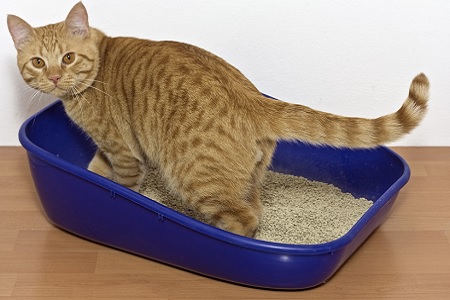
These may be composed of magnesium or calcium and are respectively called struvite or calcium oxalate stones.
In the case of cystitis, on the other hand, bladder inflammation can be caused by many factors, including stress and infections. However, it appears that in all cases of cystitis, the amount of GAGs—glycosaminoglycans that line the inner wall of the bladder and protect it from inflammation and infection—is reduced.
Specialized nutrition for urinary tract problems
A good-quality cat food should have general characteristics that make it nutritious, palatable and, above all, healthy. It must therefore have the right balance of all ingredients to maintain good overall health.
Food specifically designed for urinary tract problems, in addition to these characteristics, must focus precisely on this aspect of feline health through:
-
Low magnesium content: a diet rich in magnesium is one of the main causes of struvite stone formation. Providing balanced food prevents excess magnesium from being released into the urine and aggregating within the urinary tract;
-
Low calcium content: at the same time, excess dietary calcium can also aggregate into oxalate stones, which are more difficult to remove without surgery;
-
GAG supplementation: glycosaminoglycans lining the bladder are reduced in cases of cystitis, so appropriate dietary supplementation can strengthen the protective layer inside the urinary tract;
-
Rich in Omega-3 fatty acids: they help relieve discomfort associated with inflammation;
-
Urine pH regulation: in the presence of struvite stones, food that makes the urine slightly acidic may promote their dissolution. Conversely, in the case of oxalate stones, it will be necessary to bring the urine pH to less acidic levels;
-
Diuretic: certain substances, such as small amounts of salt, can stimulate thirst, encouraging the cat to drink more;
-
Demineralizing: in the presence of oxalate stones, some foods specifically designed for this problem may contain potassium citrate, a substance that captures excess calcium in the urine and stimulates its elimination;
-
Low fat content: to prevent overweight and obesity.
In conclusion, when your cat shows the typical symptoms of a urinary tract problem, take it to your veterinarian immediately. After identifying the cause of the disorder, you can start offering a specialized food.
Commercially available foods can protect the cat’s urinary tract in general, but there are also foods targeted at a particular type of problem. For example, if your veterinarian has confirmed the presence of oxalate stones, feeding your cat food specifically formulated for struvite stones would be not only useless but also counterproductive.
For this reason, before relying on specialized diets, make sure you have an accurate diagnosis.
Normal
0
14
false
false
false
IT
X-NONE
X-NONE