

Allergy to domestic animals, particularly dogs and cats, is one of the most common forms of allergy. Many people suffer from it, and this problem is undoubtedly one of the leading causes associated with animal abandonment. The consequences of dog and cat allergy can also be very serious, but not everyone knows that some measures can help people live with both this problem and their four-legged friend.
What it is
Allergy is generally an exaggerated or inappropriate reaction of the immune system to certain substances normally present in the external environment, food and animals. The immune system includes different types of cells whose task is to block and destroy anything that could be considered harmful, such as viruses and bacteria.
To understand this better, think of a normal flu. If an influenza virus enters our body, immune-system cells block it and begin attacking it, stimulating the body to produce certain substances. These substances cause inflammation, with fever, sneezing and all the other symptoms, because only in this way can they destroy the virus.
If the immune system becomes confused, its cells may also begin attacking harmless substances, called “allergens,” and regard them as a threat.
Regarding domestic animals, there is a misconception that their fur causes allergies. In reality, this statement is not entirely accurate.
The allergen responsible for animal allergies is actually a group of substances present in the skin and fur.
The skin contains glands, specialized structures that produce and release certain substances, including sebum and sweat. In particular, the sebum produced by these glands helps keep the fur and skin soft and protected, but it is one of the main allergens, especially in cats.
Likewise, dander, dead hair and urine are potential allergens.
In some cases, however, the poor animals have nothing to do with the allergic reactions and merely act as carriers for other allergens. These include, above all, dust mites, which often hide in the animals’ fur.
When an animal licks its fur, all these agents spread over its body and even into the environment, so everyone who owns an animal constantly breathes them in without necessarily experiencing any reaction.
In allergic people, however, contact with or inhalation of these allergens can trigger reactions of varying intensity, depending on immune-system activity.
Symptoms
When someone who suffers from dog and cat allergy enters a home where an animal lives, they may experience typical symptoms such as:
-
Sneezing;
-
Coughing;
-
Burning eyes;
-
Profuse tearing;
-
Asthma;
-
Difficulty breathing;
-
Swelling of the face or throat;
-
Appearance of itchy welts on the skin.
When the allergy is very severe, the immune system’s reaction can be so intense that it causes inflammation throughout the body, leading to what is known as “anaphylactic shock.”
How it is treated
Allergy is a serious problem that must be treated appropriately. After all the allergy tests have been performed, the specialist will prescribe the proper treatment, mainly based on antihistamines or cortisone.
In some cases, the use of certain homeopathic remedies aimed specifically at reducing the immune system’s reaction to these allergens has proved very useful. To begin this type of treatment, it is necessary to consult a homeopathic doctor.
How to prevent it
People who suffer from animal allergies do not always have to give up the idea of adopting a dog or cat. With specific treatments and certain precautions, it is possible to live peacefully with your animal. Here are some tips for preventing allergic reactions:
-
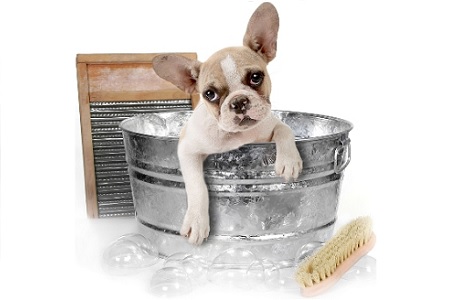
Wash your dog or cat frequently to remove all substances that may trigger the allergy;
-
Pay attention to the clothes you wear. Wash them frequently and always carry an adhesive lint roller to remove the hairs that inevitably stick to fabrics;
-
Prevent your dog or cat from entering the bedroom or your study. Make sure that at least one room is free of potential allergens;
-
Clean the house thoroughly, leaving the windows open frequently to allow air filled with allergens to circulate outside;
-
Choose clothes, sheets and upholstery made from easily washable fabrics, which do not excessively attract animal hair and dust;
-
Always keep your animal’s items clean, from bowls to litter boxes. If possible, have someone else do it;
-
Brush your dog or cat frequently to reduce hair that could float around or remain on fabrics;
-
Use vacuum cleaners and air conditioners with a filter suitable for trapping dust and allergens.
People allergic to cats are not necessarily allergic to dogs as well. If you are thinking of adopting an animal, you could choose one to which you are not allergic.
Allergies can also vary according to the animal’s breed. Long-haired dogs and cats are usually the main causes of allergy, so you could opt for some short-haired breeds.
In particular, Devon Rex, Cornish Rex and Sphynx cats are the most suitable for living with allergic people, thanks to their close-cropped or almost nonexistent fur. Among dogs, it is better to choose those with curly or woolly coats, such as the Poodle, Bichon Frise and Maltese.
The final piece of advice is to ask your allergist about the allergy vaccine and the process of desensitization to the allergen. It appears that repeated and frequent contact with small doses of an allergen may minimize the immune system’s reaction.
Before giving up the pleasant company of an animal, and especially before sending your friend away, think carefully and consider all the available options.