
The holiday season, with its colors and flavors, inevitably takes us back to our childhood, making it a unique time that we eagerly await all year. But is the same true for our animals?
Christmas and New Year’s celebrations are a way to spend time together with family or friends, savoring every moment of an atmosphere that delights young and old alike. Decorations, the tree, the nativity scene and traditional dishes are just some of the things that make the holidays so beautiful.
U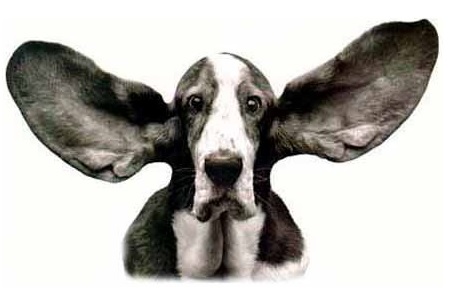 nfortunately, this is not always the case for our animal friends. Christmas brings numerous dangers for dogs and cats, from decorations that can easily be swallowed, to disruption of the routines they are normally accustomed to, and finally the dreaded New Year’s fireworks.
There are probably very few people who see any useful purpose in fireworks, but it is nevertheless a fact that from the first days of December, the air fills with these loud and frightening sounds for our animals.
Despite countless protests from animal-rights advocates, many children and adults still enjoy setting off fireworks without considering all the risks associated with them, both for us and for our animals.
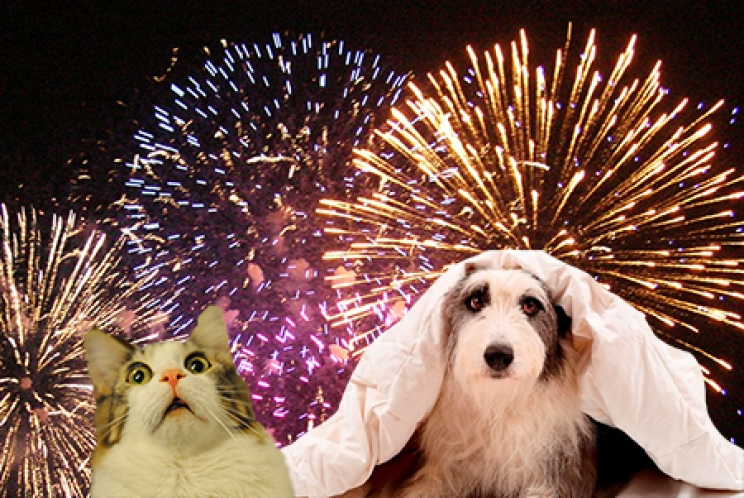
Dogs and cats cannot understand the origin or cause of fireworks, so they become extremely frightened, even showing symptoms of genuine trauma. Animals have much more developed hearing than we do, so we can only imagine how loud the sound may seem to them.
Thus, with every single explosion, panic can break out in our animals, causing them to tremble, flee in search of shelter, whine and even urinate or defecate involuntarily from fear.
If this situation is already unacceptable for dogs and cats that live indoors, imagine how it is for stray animals, which while fleeing may lose control of their reactions, accidentally attack anyone who tries to approach them or end up under a car.
Unfortunately, we cannot do much to prevent our four-legged friends from panicking, but it is certainly our responsibility to reassure them as much as possible through a few simple tips.
-
Pretend nothing is happening: if our animal is agitated, avoid petting it or speaking to it in a different tone of voice than usual. Likewise, we must not behave anxiously, searching for it around the house in a frantic manner. This would reinforce its perception that something is wrong and increase its fears. Instead, try to appear indifferent to the situation;
-
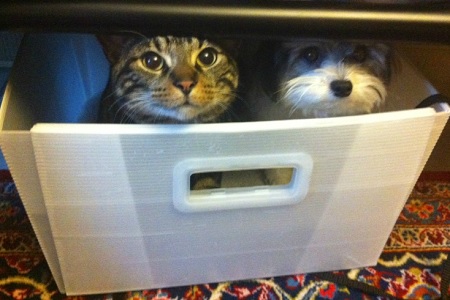
Let it find shelter: avoid holding it beside you against its will. Instead, let it go wherever it prefers in search of a quiet, secluded refuge. Animals usually prefer sheltered places, such as under a table or bed;
-
Do not pick it up: a terrified animal loses control of its reactions, so even the most docile dog or cat may direct its anxiety toward us by biting or scratching;
-
Isolate the sound: try to block out the sounds as much as possible by closing doors and windows and pulling the curtains tightly;
-
Mask the sound of the fireworks: the TV or radio can be an excellent solution for masking the sound of fireworks. Turn them on at a very high volume, preferably in the room where the animal is;
-
Keep them indoors: in preparation for New Year’s Eve, keep dogs and cats indoors if they are normally accustomed to living in the garden or on the balcony;
-
Do not leave them alone: dogs and cats must never be left alone, because we would not be able to intervene to reassure them and they could also injure themselves while fleeing around the house.
Let us remember that because of New Year’s fireworks, many animals are seriously injured or lose their lives. Regardless of the measures that should be considered by law, we owners have the responsibility to act in defense of our animals. These simple precautions can truly make a difference.