
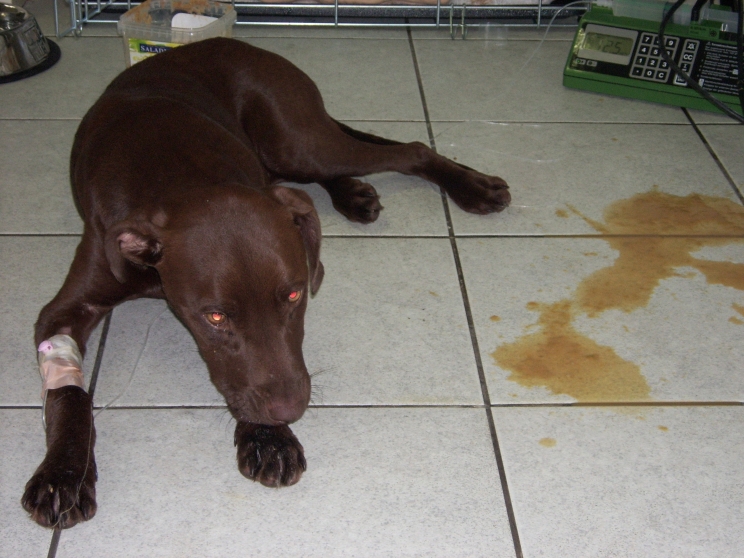
Hemorrhagic gastroenteritis in dogs, also known as transmissible gastroenteritis or canine parvovirus, is a viral disease that can be very serious and may even lead to the death of dogs, especially puppies. It is therefore important to know about it and prevent it, primarily through vaccination, which also protects pregnant females from transmitting the disease to their puppies while they are still in the womb.
What it is and how it is transmitted
Parvovirus is transmitted by viruses of the Parvovirus genus, among the smallest found in nature. There are also viruses of this genus that affect cats, but they are slightly different, which is why it is very difficult for the disease to be transmitted from dogs to cats or vice versa.
The virus is found mainly in the digestive tract, so the main means of transmission are the feces, vomit, and occasionally urine of an infected dog. The main reason the disease spreads is that an infected dog begins shedding the viruses before showing symptoms, so there will be no signs prompting the owner to keep their dog away from that animal to prevent transmission.
As if that were not enough, the virus is highly resistant in the environment, both indoors and outdoors, and consequently it is important to disinfect areas where multiple dogs live (kennels, clinics, or cages with a turnover of dogs).
The virus is acquired by a healthy dog through “fecal-oral transmission,” meaning by eating the feces of an infected dog. Perhaps no owner would allow their dog to behave this way, but if the dog eats a leaf on which an infected dog defecated and the feces were removed by the owner, a small amount may remain on the leaf.
A similar situation occurs in a clinic where a dog has defecated on the floor, which was then cleaned and mopped with water only (the virus remains after this type of cleaning), and our dog licks the floor or eats a bread crumb found there: in this way, the virus can be acquired by the animal.
What it does
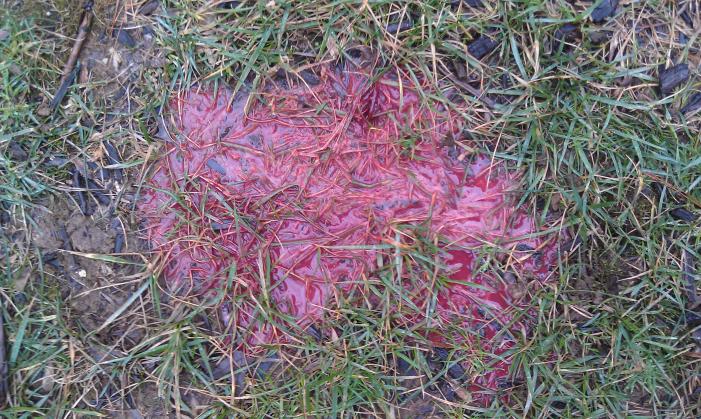
Once it reaches the digestive tract, the virus begins destroying the mucous membranes of the stomach and intestines. This compromises the function of these organs, namely digestion and the absorption of nutrients. Moreover, in this case, not only are nutrients not absorbed by the body, but they instead pass from the body into the intestine and are then eliminated through vomiting and diarrhea (which may also contain traces of blood).
As a result, our dog becomes increasingly weak, develops a fever, is reluctant to move, and is generally very debilitated.
Symptoms become visible 5-10 days after infection, when the virus has already had time to cause substantial damage.
Symptoms are more severe the younger the animal is, because its immune system is less efficient than that of an adult. Until two months of age, it is protected by maternal immunity, transmitted through the first milk (colostrum), which gradually disappears, leaving the puppy to “look after itself” immunologically.
It is also important to remember a different route of infection, through the mother’s uterus: if a pregnant dog contracts the infection, the virus can reach the fetuses. There it will not settle in the digestive tract but rather in the heart, where it will cause a serious infection. However, this infection does not cause visible symptoms in puppies, so they may die suddenly before three months of age. It is therefore important that the mother be vaccinated to prevent this possibility as much as possible.
How it is treated and prevented
With regard to uterine transmission, which we have just discussed, there is very little that can be done for the puppies. In the case of oral transmission, however, there is a possibility of saving our friend; the important thing is to act promptly by taking the dog to the veterinarian, who will first use a rapid test to determine whether it is actually parvovirus and, if the result is positive, replace the large amount of fluid lost through vomiting and diarrhea to restore the body to optimal conditions for fighting the virus. If we are not quick enough to take the dog to the veterinarian, the severe loss of water and mineral salts could lead to death from dehydration (the dog is debilitated and unlikely to drink spontaneously, and if it does, it will probably vomit; therefore, fluids must be administered through an IV, directly into the bloodstream).
Prevention is therefore the best solution for avoiding this dangerous disease: vaccination is administered at 8-12 weeks of age, according to the vaccination schedule proposed by the veterinarian, and is one of the most important vaccinations of all.
To prevent transmission to other dogs, it is important to always disinfect (the best disinfectant is bleach) the places where the animal has relieved itself, and to disinfect rooms or facilities where many dogs are kept, in order to reduce the risk of infection to a minimum.