
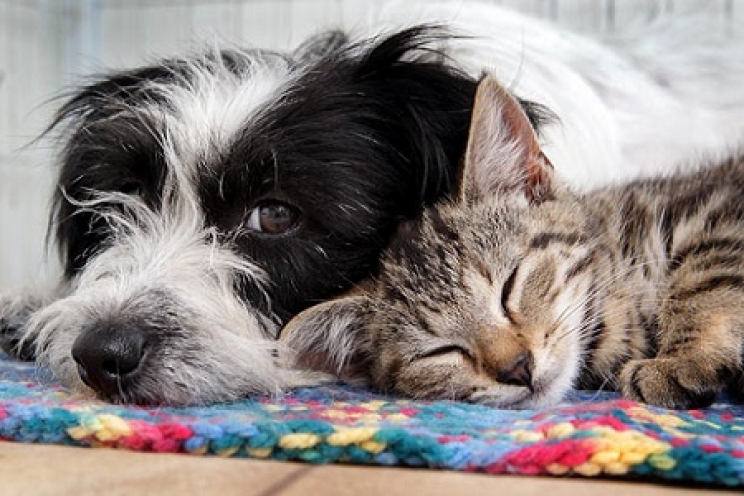
Just as with humans, our animals also reach a point when old age arrives, with all the problems it entails. Cats can generally be considered elderly from the age of 12–13 years. For dogs, the situation is more complex, because average life expectancy can vary according to the animal’s breed and size. Dogs therefore enter old age at around 11 years for very small breeds, 10 years for medium-sized breeds, 8–9 years for large breeds, and around 7 years for giant breeds.
Old age inevitably brings a series of changes in the animal’s character and body, just as it does for us. The main aspects that begin to change may include:
-
It becomes more sedentary and less active;
-
Its mood changes, and unusual behaviors such as anxiety, phobias, aggression, and depression may appear;
-
It tends to eat less;
-
The joints weaken, and the animal has difficulty running or even walking;
-
The first gray hairs appear on the muzzle;
-
The coat becomes rougher and drier;
-
Vision and/or hearing may decline;
-
It feels the cold more;
-
The immune system weakens, exposing the animal to infections;
-
Tartar may form on the teeth, causing particularly bad breath;
-
Digestion becomes slower and more difficult;
-
Intestinal transit slows down, so constipation may occur;
-
It may lose control of the bladder or intestines, leading to incontinence;
-
Lung, heart, or kidney diseases may develop.
If not managed properly, all these aspects can negatively affect our animal’s life, leading to problems that are more difficult to resolve. Elderly dogs and cats are also more prone to depression, precisely because they lose the urge to play with their owner and can no longer take long walks outdoors as before.
Advice for facing old age
To make our animals’ old age a peaceful period, we should follow various tips to help them accept the inevitable changes in their lifestyle. Here are the main ones:
-
Adjust their diet: elderly animals have different nutritional needs from young ones. Their dietary requirement, meaning the amount of food needed to get through the day well, is lower. They will eat less themselves, but it is up to us to offer suitable food. Dental and gum problems, as well as gastrointestinal difficulties, require food specifically for elderly animals, which is highly digestible and easy to chew;
-
Improve their mood: do not let your dog or cat withdraw into itself. Always spend time together, encouraging play and interaction;
-
Arrange the bed: make it more comfortable and warmer, perhaps with a padded cushion and a blanket. An elderly dog or cat with joint problems may have more difficulty getting up if the bed is not comfortable enough, and it will still be helpful to keep it warmer;
-
Keep the environment safe: if your friend’s vision begins to worsen, make sure it can always move around the house without risking tripping over objects or bumping into furniture that has been moved;
-
Brush it: an elderly animal’s coat may become drier, so it requires more careful grooming. Try to brush it every day and keep it clean and moisturized with specific products;
-
Strengthen the body: ask your veterinarian to recommend specific supplements for your friend’s various problems, from those intended for joint problems to those for individual organs;
-
Address incontinence: as your animal ages, it may start to “go” around the house. Take the dog outside more often or provide lower, easily accessible litter boxes for the cat. One idea might be to place a disposable hygiene pad in a corner of the house for times when it can no longer hold it;
-
Do not leave it in places that are too cold or too hot: make sure your friend is not left in the cold, but neither in areas overly exposed to the sun. If possible, allow an elderly dog to stay indoors on colder days or set up a dedicated area of the garden for it;
-
Take care of dental hygiene: tartar is one of the typical problems of aging. Try to brush your dog’s teeth regularly, or use spray toothpastes, which are very useful for animals that are not accustomed to a toothbrush;
-
Watch the claws: elderly animals walk less, so you will need to pay more attention to trimming their nails regularly, as they may grow faster and become ingrown;
-
Schedule regular checkups: the health of an elderly dog or cat must be monitored more often than that of young animals. Try to schedule periodic visits, and take your friend to the veterinarian immediately if you notice any abnormalities.
Knowing all the aspects that can change during old age, accepting them, and dealing with them is a great act of love that we should offer to those who have kept us company throughout their lives.