
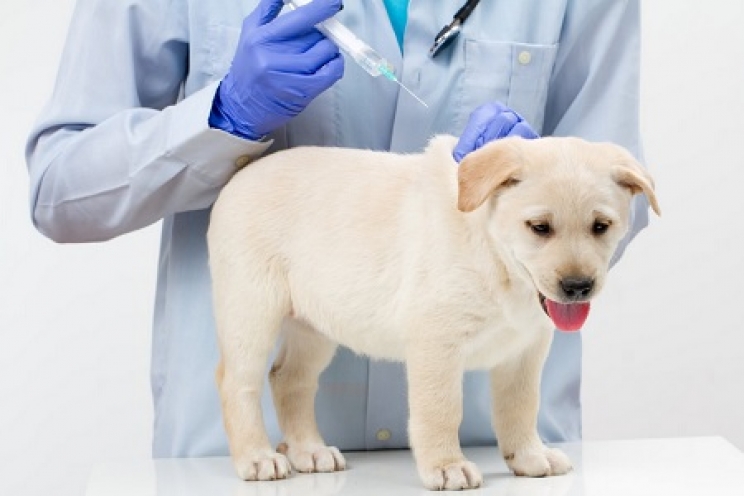
Vaccinations are a fundamental part of a dog’s and cat’s life. Their purpose is to protect the animal from some of the main infectious diseases. When adopting a puppy, it is very important to take it to the veterinarian immediately, who will carry out a thorough general examination before starting the vaccination plan. When it comes to vaccines, dog owners ask veterinarians many questions and have many doubts. Let’s clarify the most common ones.
At what age should dogs start being vaccinated?
The ideal time to start vaccinating a dog is around 8 weeks of age.
 Before this time, the puppy already has defenses “inherited” from its mother through nursing. Breast milk contains particular structures called “antibodies”, which are produced by the body whenever it encounters a specific virus or bacterium. These antibodies memorize the threat just encountered so they can repel it in the event of a second attack. Once maternal antibodies have been transferred to the puppy through milk, they will protect it from many infectious diseases.
Unfortunately, these antibodies do not last very long, so after about six or seven weeks, the puppy becomes exposed to disease again. This is precisely why it is important to administer the vaccine when the defenses inherited from the mother are at their weakest. If we intervened too early, the mother’s antibodies could interfere with the vaccines. Conversely, vaccinating the puppy after this period could leave it exposed for too long to the risk of contracting diseases.
In any case, the ideal vaccination plan must be established by the veterinarian based on information such as the dog’s age at adoption and the age and frequency of previous vaccinations.
Which diseases have vaccines?
Diseases for which vaccination is mandatory or recommended include:
-
Parvovirus or hemorrhagic gastroenteritis: this disease can become very serious. It is easily transmitted, especially in kennels or where many dogs live together. It has a high mortality rate, particularly among puppies, which can die from dehydration within just one or two days. Hemorrhagic gastroenteritis is caused by parvovirus, which settles in the animal’s intestine, causing vomiting and intense diarrhea with heavy bleeding in the stool;
-
Distemper: this disease has a very high contagion rate. It is caused by a virus belonging to the same family as the virus that causes measles in humans, but in dogs it has different consequences. Initial symptoms may resemble a common “cold”, with fever, coughing and sneezing, followed by gastrointestinal disorders such as vomiting and diarrhea. In the final stage of the infection, the virus reaches the brain, where it causes serious and irreversible damage. Animals that survive the disease must often live with neurological symptoms such as paralysis, nervous tics or seizures;
-
Infectious canine hepatitis: this is a viral infectious disease that affects the liver, caused by a virus known as Adenovirus CAV-1. A dog can contract the virus simply by sniffing feces or traces left by an infected dog. Infectious hepatitis causes very high fever, severe abdominal pain, vomiting, diarrhea and a typical yellowish discoloration of the gums. The vaccine used to prevent infectious hepatitis may be based on Adenovirus CAV-1 or the similar CAV-2, which is mainly responsible for respiratory symptoms (the “Kennel cough”);
-
Leptospirosis: this is an infection caused by a bacterium called Leptospira. A dog can become infected through contact with a sick animal or by drinking stagnant water contaminated by mice and rats. The consequences of leptospirosis initially affect the gastrointestinal system, causing vomiting, diarrhea and abdominal pain. The bacterium can then attack the dog’s kidneys and liver. Leptospirosis can also infect humans, so vaccinating your dog against this disease is very important;
-
Canine parainfluenza or infectious bronchitis: better known as “kennel cough”, it is caused by a number of microorganisms, including Adenovirus CAV-2, parainfluenza virus and the bacterium Bordetella bronchiseptica. Vaccination against this virus does not prevent infection, but it significantly reduces the severity of symptoms.
Other vaccinations that may optionally be administered to dogs include the rabies vaccine, which is no longer mandatory in Italy but may be required for certain trips abroad or in specific situations where the disease occurs in a given area.
A vaccine for leishmaniasis has also recently been introduced. This infection is transmitted through the bites of sand flies carrying the microorganism responsible for the disease. Opinions on this vaccine are still divided, so it is not yet included among mandatory dog vaccinations.
How often should vaccinations be repeated?
The so-called “booster shots” help the immune system strengthen the body’s defenses against a specific disease. In simple terms, they “refresh” the immune system’s memory.
Generally, in puppies, after the first vaccination, the first booster is required after 3–4 weeks. A second booster may be given to puppies another 3–4 weeks later, followed by annual boosters.
If an adult dog that has never been vaccinated previously needs vaccination, only one booster is required 3–4 weeks after the first vaccine. Annual boosters can then be administered.
Only for the Leptospirosis vaccine, at-risk dogs—depending on their lifestyle, such as hunting dogs—require six-monthly boosters rather than annual ones because its effect lasts for a shorter period.
A very important warning for anyone who has just adopted a puppy is to resist the temptation to take the dog out for walks immediately before it has been vaccinated. Instead, wait a few days to give the immune system all the time it needs to provide full protection against disease.