
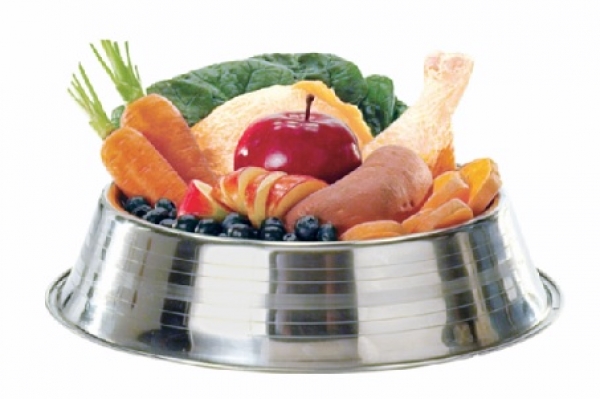
Spayed and neutered animals have a greater tendency to become overweight and obese, so they should be given food with specific characteristics, focused above all on weight control. But what is the ideal diet for spayed and neutered dogs and cats?
Spaying and neutering
Spaying, also called castration in males, is the procedure that involves removing parts of an animal’s reproductive system. In females, the ovaries are removed, with or without the uterus, while in males only the testicles are removed.
Spaying and neutering primarily prevents unwanted pregnancies, but it also has other very important benefits. First, by sterilising our animals, we avoid recurring periods of “heat”, along with a reduction in night-time howling, fights over females and unwanted escapes.
In addition, sterilisation is essential for reducing the risk of mammary tumours in females and testicular tumours in males, especially when performed before the first heat.
This is now an operation that can safely be described as routine. It is performed under general anaesthesia and is relatively short, especially in males.
Why do sterilised animals gain more weight?
Spaying and neutering are not the direct cause of weight gain; rather, they can induce a series of changes in the animal which, without the owner’s proper approach, may cause it to gain weight.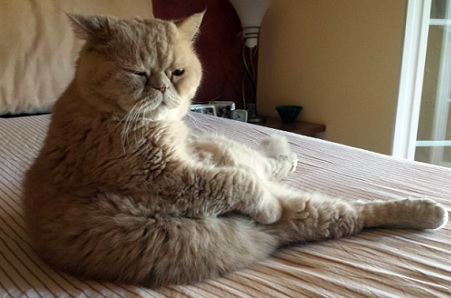
These changes include:
- The metabolism, the set of processes that occur in the body to use energy obtained from food, becomes slower, so energy is stored rather than consumed;
- The animal tends to become more bored and want to eat more often;
- The animal becomes more inactive;
- The stress and mental and physical activation caused by “heat” disappear.
In any case, dogs and cats that live indoors tend to gain weight in most cases regardless of sterilisation. We owners are, in fact, the ones who feed them more than necessary, often giving them too little exercise. In this sense, therefore, sterilisation is merely the icing on the cake.
What does a diet for sterilised animals involve?
A specific diet for sterilised dogs and cats should focus first and foremost on weight control, but also on preventing recurring conditions in these animals.
The main characteristics of food for sterilised animals include:
-
Low calorie content: calories are our body’s fuel. Their intake must be balanced with actual use. Giving an animal food that is too high in calories, without the opportunity to burn them through appropriate physical activity, will undoubtedly make it gain weight;
-
Less fat: fat should not be banned from the diet because it is essential for many functions. However, its content must be balanced and proportionate to that of the other ingredients;
-
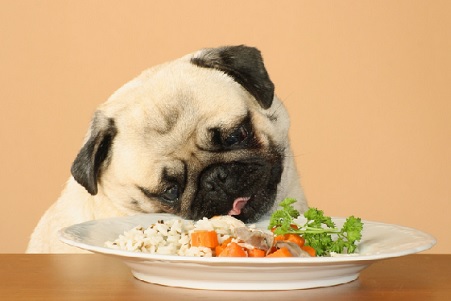
High in fibre: fibre performs many different functions in our bodies, but in this case it is essential for stimulating the feeling of satiety and promoting intestinal transit. Once fibre reaches the intestine, it swells, creating the sensation of having eaten much more, while also pushing the faeces outwards;
-
Good-quality proteins: lower-quality animal foods often contain less-than-excellent meats and protein sources, such as offal and scraps. Healthy food, on the other hand, should contain good-quality proteins such as eggs, fish and meat;
-
Low magnesium content: magnesium is one of the minerals most harmful to animals’ urinary tracts, especially those of cats. If present in excess, it can aggregate into so-called struvite stones. Therefore, the diet of sterilised animals should not contain excessive magnesium and should make the urine more acidic, helping dissolve the stones;
-
Calcium-to-phosphorus ratio: the ratio between these two minerals in the body must be well balanced. A phosphorus deficiency stimulates the elimination of calcium through the urine. Calcium can compact in the urinary tract, forming calcium oxalate stones, which are much more difficult to remove than struvite stones.
In conclusion, it is important to constantly encourage the animal to drink, also encouraging it to consume a suitable amount of wet food. This way, it will feel less hungry and can also help prevent the formation of stones and urinary-tract inflammation.