

Stray animals remain a widespread problem everywhere, despite the campaigns and commitment of associations and volunteers who work every day to save less fortunate animals from the streets and shelters. From this perspective, the law has also made significant progress in trying to prevent and solve this problem. Let’s see how.
Over the years, numerous regulations have in fact been developed specifically to protect stray animals.
The main one is Law No. 281 of 14 August 1991, “Framework law on companion animals and the prevention of stray animals”.
This legislation addresses not only the problem of stray animals, but also the protection of animals from all forms of abuse and abandonment, areas that were significantly expanded by the law against animal cruelty.
Other important rules were developed in subsequent years, making it possible to expand and strengthen the measures established by Law 281/91.
Several fundamental provisions were introduced, including:
-
Establishment of a canine registry service, to which all dogs must be registered following the implantation of an identification microchip and its registration with the local health service;
-
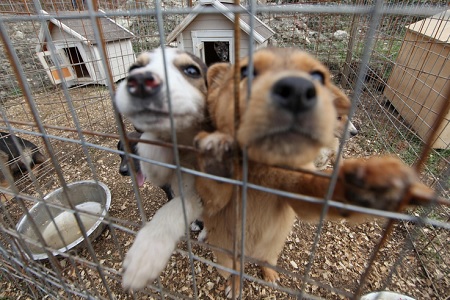
Construction of kennels, catteries and animal shelters, with related funding;
-
Implementation of birth-control plans for dogs and cats, through the sterilization of roaming females or females housed in shelters and kennels by veterinarians appointed by the respective municipality;
-
Provision of microchip readers to Carabinieri, Police and local police officers;
-
In the event of confirmed poisoning on public land, the municipality must mark the area with signs and implement all procedures required to remediate the public area;
-
Organization of awareness campaigns for school students and all professionals working in the sector;
-
Encouragement of the admission of dogs and cats to tourist facilities;
-
Construction and management of animal cemeteries.
An important aspect of stray animals also concerns environmental protection, but above all public safety. When the number of stray dogs increases, the risk that their packs may attack passers-by can also increase.
For this reason, it is important that such cases be properly reported to the relevant authorities, which will assess the animal’s aggressiveness and implement a clinical observation plan to verify its health and the presence of any infectious diseases.
Unlike what happens in other countries, in Italy it is strictly forbidden to euthanize dogs living in shelters and kennels, even if they are not claimed or adopted after a certain period.
On the contrary, all dogs caught or cared for by associations and shelters must be kept for at least 60 days, the time needed to await any claim by their owners. Once 60 days have passed, it will be possible to begin finding them alternative accommodation or a new adoption.
Temporary fostering or adoption must take place following appropriate checks of the place where the animal is to be kept and of the future foster or adoptive families, all certified by a specific document.
If, on the other hand, the stray dog has a readable microchip correctly registered with the canine registry, it will be possible to contact the owner, carefully assessing the reasons for the animal’s voluntary or forced departure.
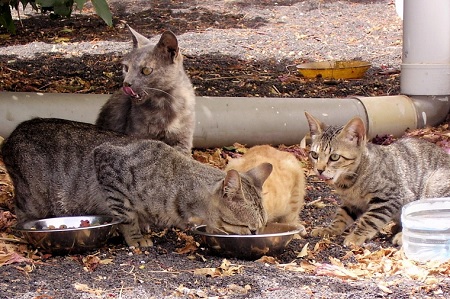 The law protects not only dogs, but also stray cats.
In this case, not only is it strictly forbidden to abuse or euthanize free-roaming cats, but their health must also be guaranteed and protected by associations or bodies responsible for caring for them, starting with the sterilization of females.
Despite the progress made over the years in developing all these measures, the problem of stray animals still has not been resolved as it should be.
Much of the work is carried out every day through the great commitment of associations and volunteers, who try to save thousands of dogs and cats from hunger and the dangers of the streets, promoting their adoption throughout Italy.
Unfortunately, despite these people’s efforts and the penalties imposed for abandonment or abuse, there are still too many people who perpetuate this vicious cycle, helping to increase the number of animals of all ages left on the roadside every day by heartless owners.