
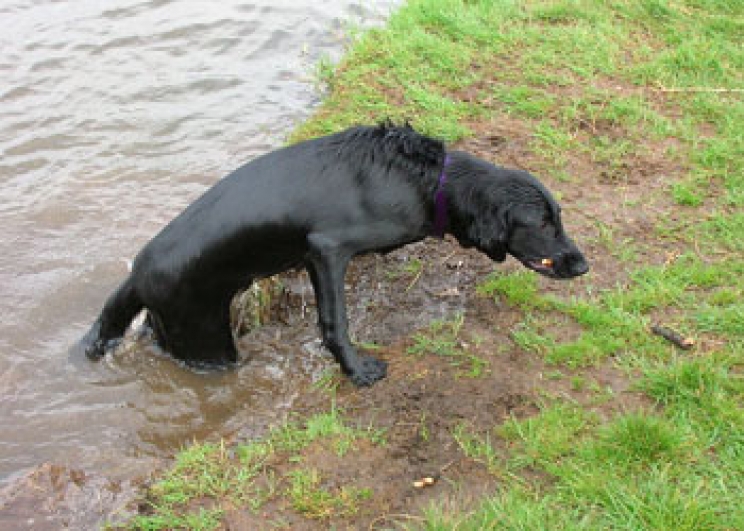
One of the best-known infectious diseases in dogs, but also one of the most dangerous, is leptospirosis. In fact, it is not a disease that affects dogs alone, because it can also affect humans, but dogs are more exposed to infection because of their habits.
Fortunately, vaccines are available for this disease, and leptospirosis is included among the so-called “mandatory vaccinations” for dogs, which are routinely given to all puppies.
For some dogs, however, this is not sufficient, and annual boosters are therefore required. Let us look more specifically at what leptospirosis is and how it is transmitted.
What it is
Leptospirosis is a disease caused by bacteria of the genus Leptospira, while there may be many species. These microorganisms have a somewhat unusual shape: they are elongated, arranged like a “question mark” (?), and live mainly in water.
When I say that they live in water, do not imagine that they are found only in some remote place in the world among radioactive waste. Italy is full of leptospires.
Rivers such as the Tiber, the Arno, and the Po are literally teeming with leptospires. We do not swim in them because they are very polluted rivers, but if we entered the water even just with our feet in Florence or Rome and had a small cut beneath our thumb, we would have a very high chance of contracting leptospirosis.
These bacteria can be acquired through direct contact with blood, so small cuts or skin abrasions provide an excellent entry route.
But our dog rarely enters the Arno, and in fact the river is not the problem: rats are.
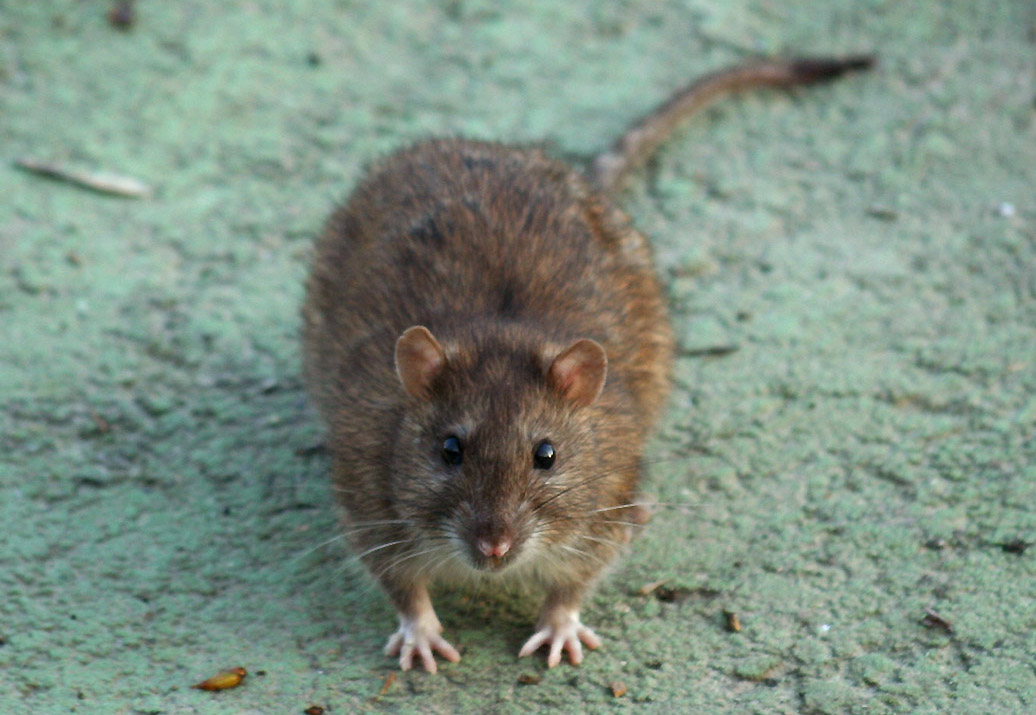
These little animals live everywhere, in cities and in the countryside. Leptospirosis does not affect them (they have no problem drinking river water): it settles in their kidneys without causing problems, so rats leave it practically everywhere in their urine.
The typical situation is this: a rat wanders through city streets, coming out of the sewers, on a rainy night. It leaves small drops of urine in the street, and the leptospires survive in puddles. The next day, we take a walk with a dog that has a small cut on its paw pad, which we have not noticed. It inadvertently steps into the water.
And that is how the leptospire arrives.
Hunting or truffle dogs, which spend a great deal of time in the woods, are even more exposed because there are many rats and water tends to stagnate. In addition, rough terrain encourages the development of small wounds.
What it does
For an unvaccinated dog, this disease can be fatal.
The organs it affects are the kidneys and liver, depending on the species of leptospire contracted, and the consequences can be extremely serious (death within a couple of days with no possibility of treatment), severe (very high fever, blood loss, breathing difficulties, dehydration), or milder, though they may still cause irreversible kidney damage.
In these cases, to try to save the dog we must rush to a veterinarian and ensure that antibiotic therapy, together with supportive treatment (rehydration and kidney stimulants), is administered as soon as possible.
How to prevent it
With regard to leptospirosis, prevention is certainly the most important measure because treatments are not very effective—not because the disease is incurable (it has been known for centuries), but because of the speed with which the bacteria damage the dog’s body and organs, especially vital ones.
Vaccination must be given during the first months of life, and subsequent boosters can be administered. These depend on the area where the dog lives and its habits: if we live in the countryside and the dog is used for hunting, it is advisable to repeat the vaccination every year.
If we live in a city, the veterinarian will advise us on what to do, based on how widespread the disease is in our area and, obviously, on our dog’s habits.
A vaccine is not a medicine, but a form of prevention, which is why it must be given before the disease appears. In practice, a dead leptospire is injected into the dog’s blood, so that it cannot cause any harm.
The immune system, however, recognizes an intruder, confronts it, and “prepares its weapons” should that intruder return. Thus, if our dog contracts leptospirosis, its body will already know how to fight it and, apart from two days of malaise, it will have no consequences. There will not even be any need for a veterinarian.
Boosters given more or less frequently serve to tell the body, “remember this bacterium, which is dangerous,” so that the immune system does not “forget” it, since it could enter the body even ten years after the first vaccine was given.
As owners, do not underestimate leptospirosis. Always have the first vaccines given, and boosters according to your veterinarian’s advice: do not forget them, even over the long term, because failing to protect our dog could become very dangerous.