
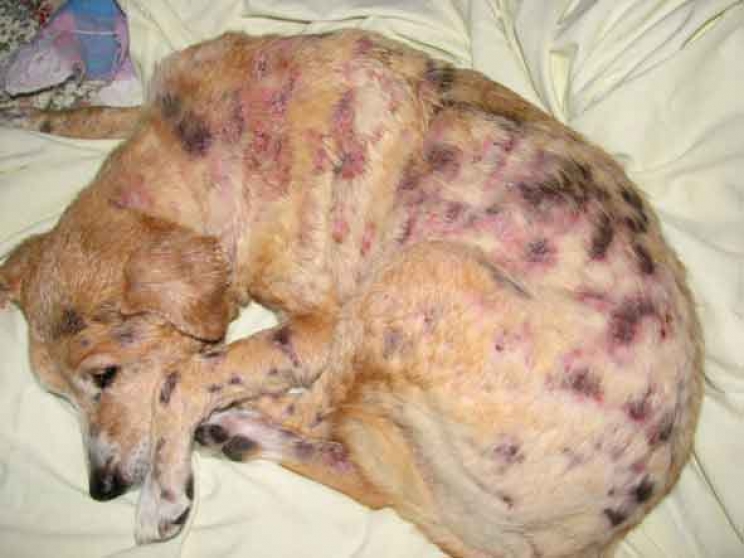
Just like us humans, our four-legged friends can develop allergies. But how exactly do these conditions work, and how can they be avoided?
What they are
Allergies are exaggerated reactions by our bodies against substances normally present in the environment that are not harmful at all.
Because of genetic predisposition or excessive exposure to these substances, the body begins to believe they are harmful even though they are not. Common foods such as chicken or milk, as well as substances normally present in the air such as mites or plant pollen, trigger, when they come into contact with an allergic animal’s body, a reaction similar to what would occur if something much more dangerous were present. The reaction is entirely unjustified.
Thus, the substance comes into contact with the body through the skin, respiratory system or digestive system, which responds by releasing a substance called histamine: histamine, in turn, stimulates a reaction that causes extensive dilation of the blood vessels, bringing blood and defensive cells to the point of contact. The body is essentially preparing for war. A war against no one.
This severe inflammation can cause symptoms that vary according to the area affected. Exposure through the skin can cause itching and redness, and in some cases pain. Contact through the digestive system, between the body and an ingested food, causes irritation that may manifest as vomiting and diarrhea.
The system with the most serious reactions, however, is the respiratory system, because the reaction generally affects the larynx, the “throat”. Here, the walls become irritated; in some cases this causes simply coughing and sneezing, while in more serious cases they can swell so much that they obstruct the passage of air between the mouth and lungs, even causing suffocation.
One of the most serious consequences is anaphylactic shock: this occurs when contact with the allergen is so intense (generally if it has been ingested) that a great deal of blood is drawn to the site of the reaction.
If the blood becomes concentrated there, not enough will remain to keep vital organs such as the lungs, heart or brain functioning, and if action is not taken quickly, this situation can lead to death in a very short time.
How to treat and prevent allergies
Unfortunately, there is currently no actual cure for allergies.
However, there are medicines that calm the allergic reaction, namely antihistamines, drugs that counteract the action of the substance that initiates the entire reaction, histamine as discussed earlier.
If we know that our dog or cat is allergic to something, we should always keep these medicines on hand and administer them ourselves if a reaction occurs, because the time needed to get to a veterinarian may be too long. Naturally, the veterinarian must prescribe these medicines.
If, on the other hand, we do not know whether the dog or cat is allergic to something, observe whether it has particular symptoms such as persistent diarrhea, skin redness and some breathing difficulty, not continuous but which “erupts” at certain precise moments.
With the veterinarian’s advice, we must try to understand what causes the allergy and try to remove the animal from it or avoid contact altogether.
For foods, remove each food the animal eats one at a time and see when the diarrhea subsides. If, for example, we do not give chicken for a week and the animal is well, it could be allergic to chicken.
For skin reactions, we must pay attention to the dog’s habits and what comes into contact with it, including plants. If the reactions are on the back, the allergen will be something higher than the dog; if they are under the belly, it could be a particular type of grass; if they concern only the paws, it is something found on the ground: we should reason in this way to try to understand what the allergen is, and once we have identified it, avoid contact.
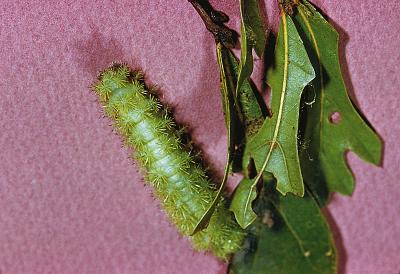
Finally, regarding respiratory reactions, we must pay attention to anything that may be in the air: pollen (the allergy will occur seasonally), hay (it will occur when the animal enters the hayloft, if we have one), or the fur of another animal (a cat, for example, if it is a dog). Clearly, we must prevent the animal from being exposed to the allergen as much as possible.
Allergies cannot be cured, but allergic reactions can be prevented: it takes patience and care, but we can ensure our dog or cat a virtually normal life.