
72
544×376
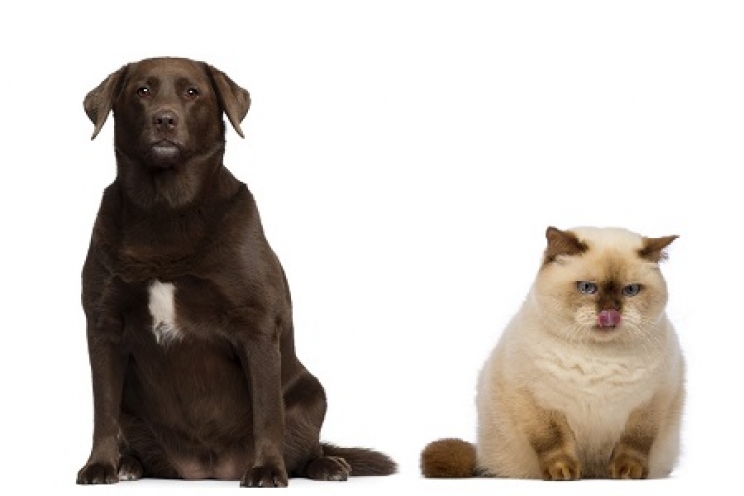
Obesity is a widespread problem among our animal companions. Let’s examine the main causes and consequences of obesity in dogs and cats, along with suggestions for preventing this problem.
The number of dogs and cats whose weight is significantly above the ideal is steadily increasing. The worst aspect of all this is that owners often tend to overlook obesity, failing to realize the risks associated with excessive weight gain. An obese dog or cat is prone to various consequences that can cause very serious disorders and diseases.
Is my dog/cat obese?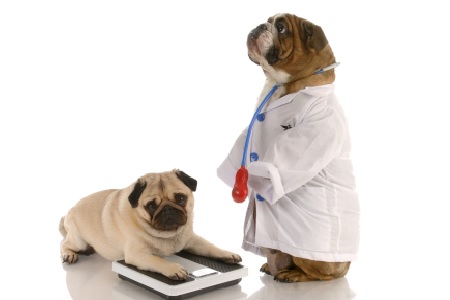
To be considered obese, an animal does not have to be merely a little “round.”
In the case of overweight animals, by petting them we can still feel the ribs and spine, although they are “softened” by a layer of fat. The abdomen is fairly prominent and, when viewed from above, the animal’s trunk will have a uniform shape, without the typical inward curve at the flanks.
If our animal is obese, on the other hand, the ribs are covered with fat and therefore cannot easily be identified. The abdomen is very prominent and in cats tends to hang softly downward. Viewed from above, the animal will have a typical barrel shape.
In general, obesity is defined as an increase in body weight exceeding 20% of the standard weight expected for the breed.
The causes
There can be many reasons behind obesity.
However, certain factors seem to influence our animals’ weight more significantly. These include:
-
Breed: some small-breed dogs may gain weight more easily, such as Dachshunds and Cocker Spaniels. Similarly, cats with less inclination toward movement and physical activity, such as Persians, are more prone to gaining weight;
-
Age: puppies and young animals never stop moving. This is very useful for maintaining an ideal weight, but problems may begin to appear when the animal is an adult or senior, and the desire to move and play decreases;
-
Type of diet: unfortunately, not all owners provide their four-legged friend with a specific, balanced diet. Most dogs and cats, in fact, tend to eat much more than necessary, often consuming foods unsuitable for their species or lifestyle. In cats, for example, people often assume that one food is as good as another, when several important factors must be considered. If the cat is neutered, sedentary, or elderly, it will need a light, easily digestible food. A mother cat with her kittens, on the other hand, will need caloric, nutritious food. For dogs, most owners choose a homemade diet, adding leftovers from their own meal to the dog’s bowl without considering their animal’s nutritional and caloric needs;
-
Lifestyle: animals that are lazy or forced to reduce movement because of disabilities and health problems will certainly be more prone to gaining weight;
-
Neutering: it is now well known that neutering, in both males and females, causes a considerable increase in an animal’s weight. Activity decreases, the restlessness typical of the mating period disappears, and the metabolic changes associated with neutering increase appetite. If the owner does not pay closer attention to the diet, it is clear that the dog or cat will gain weight;
-
Owner errors: animals living indoors need a balanced amount of food for their lifestyle. If the owner rushes to fill the cat’s bowl with wet food, even though the bowl of kibble is full, they are making a mistake. If during the day they also offer snacks and treats simply because “the cat likes them so much,” it is certain that the cat will start to put on weight. Everything must be properly balanced, so a teaspoon of wet food three times a day can supplement a light dry food specifically for sedentary or neutered cats. The same applies to dogs. An owner who cannot resist their dog’s sweet, pleading eyes at lunchtime and gives it slices of cheese, bread, and cured meats may please it in the moment, but is not considering the consequences. Another question every owner must ask is whether they devote enough time to their animal for play and exercise. In most cases, the answer will be no.
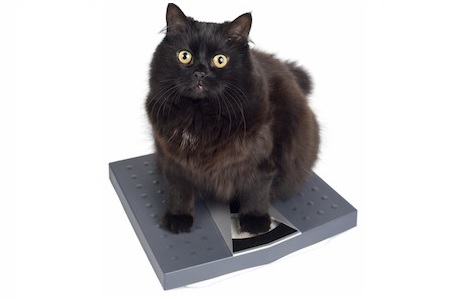 Other causes of obesity may also include certain health conditions in the animal, which create changes in the balance between nutrient intake and actual utilization. These include, above all:
-
Hypothyroidism in dogs: the thyroid is a gland responsible for producing substances called thyroid hormones, which regulate many bodily activities. Its main function is to ensure the proper use of nutrients ingested through food. If our dog were to eat ten pieces of kibble, some would be used to strengthen the muscles, some to provide energy, and some to keep it warm. In hypothyroidism, the dog produces fewer thyroid hormones, so it tends to store most of the nutrients contained in food without being able to use them, and therefore gains weight;
-
Cushing’s syndrome: in our bodies, as in those of our animals, there are two important glands called the adrenal glands, which produce various substances, the most important of which is cortisol. This is also known as the “stress hormone,” because its production increases especially when we are stressed. In animals with Cushing’s syndrome, the adrenal glands produce too much cortisol, which causes an increased sense of hunger and elevated blood sugar levels, which often turn into fat;
-
Diabetes mellitus: this is a dysfunction of the pancreas, a large gland that is part of the digestive system. Its main function is to regulate blood sugar levels through the balanced production of two hormones, insulin and glucagon. Insulin, which we often hear about, helps lower the amount of sugar in the blood by stimulating its use by the body’s cells. It therefore acts mainly after meals. Glucagon, by contrast, raises sugar levels, particularly when we are fasting. If the pancreas is damaged or does not function as it should, it can no longer produce enough insulin. Insulin stimulates part of the brain, the “satiety center,” which gives the sensation of not being hungry. When insulin is absent, the animal continually feels hungry;
-
Medications: prolonged treatments based on cortisone act in the animal as though it were producing too much cortisol, a hormone with a chemical structure similar to that of the medication, with consequences similar to those of Cushing’s syndrome. The animal is often hungry, so it tends to eat more and gain weight.
The consequences
Obesity is not merely an aesthetic problem. Excessive weight gain can, over time, also cause very serious consequences in our animals. Let’s look at the main ones:
-
Diabetes mellitus;
-
Joint disorders;
-
Respiratory diseases;
-
Heart disease;
-
High blood pressure.
How to prevent obesity
Here are some tips to prevent your companion from gaining too much weight:
-
Increase physical activity;
-
Choose the type and amount of food specific to your animal;
-
Avoid snacks and between-meal treats;
-
Do not give the dog leftovers from your lunch;
-
Consider whether your animal is asking for food because it is truly hungry or simply bored;
-
Distract it with play and exercise. Boredom makes you hungry.
What to do if the dog/cat is obese
The approach differs depending on the species.
For a dog, it is sufficient to divide the daily amount of food into two meals, leaving only water available. Ask your veterinarian to recommend the type and quantity of food suitable for your dog.
The situation is different for a cat, because a cat cannot go without food for too long and needs to eat small amounts frequently. The important thing is to replace the usual food with one that has a low calorie content, avoiding between-meal snacks.
Dietary changes must always be combined with an increase in physical activity. Take your dog for walks or encourage your cat to play, as long as it gets exercise. Both its weight and mood will benefit, and it will be good for both of you.
Normal
0
14
false
false
false
IT
X-NONE
X-NONE