
Urinary tract disorders are a typical problem in cats, but they can also occur in dogs. In this case, it is very important to provide your pet with the right diet, which must have very specific characteristics to prevent and alleviate the typical symptoms of this problem.
What urinary tract disorders are
Urinary tract disorders can include a range of conditions and diseases affecting the animal’s entire urinary system. In particular, they can affect the bladder, kidneys, or the ducts that carry urine throughout the system: the ureters, which connect the kidneys to the bladder, and the urethra, which carries urine outside the body.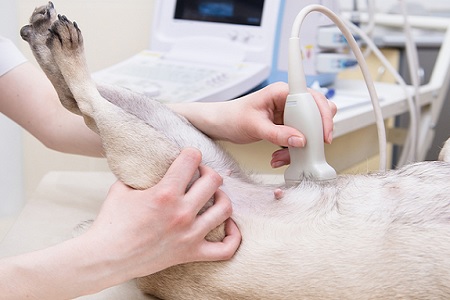
In cats, all these disorders can be grouped into a single condition, FLUTD, Feline Lower Urinary Tract Disease. This mainly includes inflammation of the bladder, namely cystitis, and urinary stones. Bacterial, fungal, or parasitic infections are less common.
In dogs, by contrast, infections are the main causes of urinary tract disorders. In particular, the agents responsible for most of these infections are bacteria normally found in the dog’s intestine, such as Escherichia coli, Enterobacter, and Enterococcus.
In any case, bacteria can also come directly from the external environment, for example when a dog sits on ground heavily contaminated with the feces of other animals, or from blood infections such as leptospirosis.
Bacteria are not the only causes of urinary tract infections. Some fungi and yeasts, such as Candida albicans, and some parasites, including Capillaria plica and Dioctophyma renale, can also be responsible.
Another condition that can occur in dogs is the formation of urinary stones, which may mainly consist of struvite or oxalates, and less frequently urates or silicates.
Causes of urinary tract disorders
The onset of urinary tract disorders in dogs can be encouraged by a number of situations and conditions, including:
-
The external opening of the urethra, located in the male’s penis and on the outer part of the female’s vagina, comes into contact with contaminated soil or feces;
-
The animal drinks and urinates little, reducing the flushing action of urine in the bladder;
-
In females, the urethra is shorter than in males, so bacteria can travel more quickly from the outside toward the bladder;
-
Bacterial or fungal infections are present in nearby areas, such as the prostate, intestine, or even the blood;
-
An unbalanced diet makes the urine less acidic, stimulating the formation of urinary stones and infections.
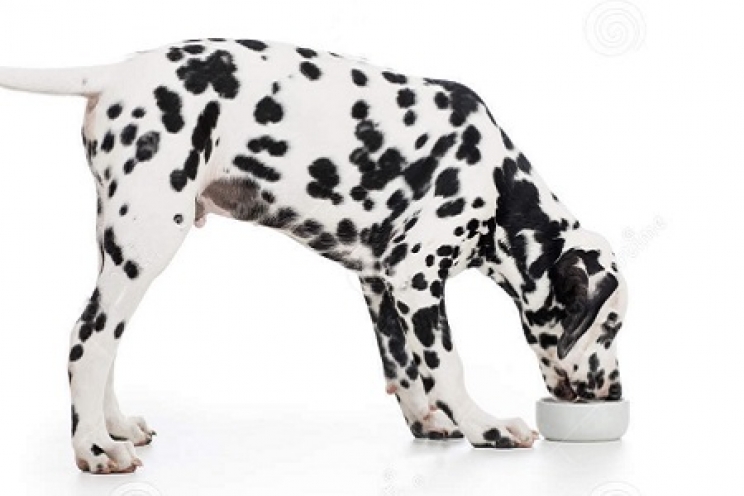
A particular situation concerns the Dalmatian dog. This breed shares a characteristic with humans. When we eat meat, the purines it contains are broken down into uric acid. In other species and dog breeds, uric acid is further broken down into allantoin, which is easier to eliminate.
In humans and Dalmatians, a diet too high in protein can lead to the accumulation of excess uric acid in the kidneys and joints, causing it to aggregate into crystals. This is how urate stones form.
Specific nutrition for urinary tract disorders
The ideal diet for our dogs must ensure an optimal balance among the substances present in food. Compared with cats, dogs are not strict carnivores, so they can tolerate a certain amount of cereals and fiber.
If the animal consumes too many calories but gets little physical activity, it will tend to gain weight. At the same time, if the food is too rich in poor-quality fats, cereals, and proteins, it will provide a completely unbalanced diet, predisposing the animal to various health problems.
For this reason, the dog’s daily diet must provide the right calorie content, a limited amount of fat, high-quality protein, and the right amount of cereals and fiber.
In particular, foods specifically formulated for urinary tract stones are available on the market.
This type of food offers several extremely important characteristics, including:
-
Reduced magnesium content: magnesium is the main component of struvite stones. Excess magnesium in the diet causes this mineral to accumulate in the urine, where it compacts into hard, resistant formations;
-
Acidifying: pH is the factor used to indicate the acidity of a substance. Below a pH of 7, a substance is considered acidic, while above 7 it is alkaline. Struvite stones can easily be dissolved when the urine becomes more acidic. An excellent food specifically designed for this problem can lower urinary pH, making the urine less alkaline;
-
Low in protein but of excellent quality: proteins derived from offal and meat by-products are not particularly suitable for animals’ diets. It is therefore important to provide better cuts in smaller quantities;
-
Stimulates diuresis: increasing the sodium content of food has been shown to stimulate urine production.
As for the Dalmatian dog, the diet should aim to reduce the formation of uric acid and consequently urate stones, through:
-
Use of alternative proteins: eggs, dairy products, and plant-based protein sources are low in purines, so they are preferable to the “traditional” proteins found in meat and fish, which should be present in smaller quantities;
-
Alkalinizing: unlike struvite stones, urate stones form in acidic urine. It is therefore important for the food to contain substances capable of making the urine less acidic and more alkaline, such as bicarbonate and potassium citrate.
In conclusion, if your dog has had urinary tract problems in the past or still suffers from them, you should combine the treatments recommended by your veterinarian with a specific diet to speed recovery and reduce the risk of recurrence.