

Some foods intended for human consumption should be avoided by dogs because they can be harmful. For this reason, think carefully before supplementing your dog’s diet with foods and ingredients typical of our own diet.
We know how difficult it can be, especially in this typical situation: you are sitting at the table and your dog is there beside you, watching you with pleading eyes and begging you to “give him” part of your lunch. It seems as though he does it deliberately to make you feel guilty, so, as always, you give in and offer him whatever you have available on the table or in your plate.
Regardless of any training-related considerations that may easily be associated with such a situation, you must focus above all on your dog’s health. Some foods can in fact be truly dangerous for Fido, often with serious or even fatal consequences.
-
Avocado: although avocado is not commonly found on our tables, some dishes may contain it, and this can be a problem because it contains a toxin that can cause intense vomiting and diarrhea in our dogs. The toxin is found in all parts of the avocado, but the seeds appear to contain the greatest amount. For this reason, ingesting avocado seeds can also cause severe intestinal blockages;
-
Alcohol: dogs are not normally attracted to alcoholic beverages, but traces of ethanol may be present in some recipes, industrial preparations, and even unbaked yeast products. Alcohol is in fact commonly used in baking and confectionery to prevent mold formation, so it can be found in some packaged snack cakes, sliced bread, and other similar products. Alcohol ingestion can cause genuine poisoning in dogs, with typical neurological symptoms such as vomiting, lack of coordination, confusion, disorientation, behavioral changes, and more serious problems including seizures, coma, and death;
-
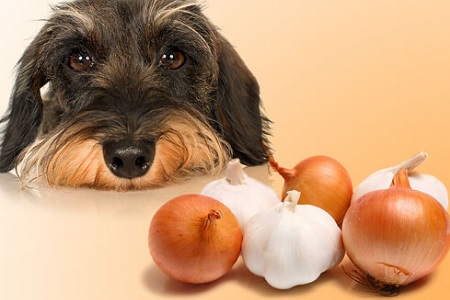
Garlic and onion: these are two ingredients used extensively in our cooking. Garlic and onion, however, can be particularly dangerous for dogs in all forms and regardless of how they are cooked. They contain sulfur-based substances, including thiosulfate, which can cause severe hemolytic anemia in dogs, a condition involving the breakdown of red blood cells in the bloodstream. The dog may therefore appear depressed, tire easily, show lethargy, and have urine with a deeper, orange-red tint. Garlic seems to be more toxic to dogs than onions, but in both cases consequences may occur after the ingestion of large, repeated amounts of these ingredients;
-
Coffee and tea: the caffeine and theine contained in these beverages can be very dangerous for dogs. The consequences of ingesting beverages, foods, or medications containing these substances mainly include rapid heartbeat, palpitations, persistent excitement, very rapid breathing, tremors, anxiety, and diarrhea;
-
Raw meat: raw meat, as well as raw fish, may contain various bacteria and parasites. If ingested, these can cause serious infections and poisoning in dogs, with mainly gastrointestinal symptoms such as prolonged vomiting and diarrhea;
-
Cat food: dog and cat food may seem very similar, but they differ mainly in certain nutritional characteristics that take one fundamental aspect into account. Dogs are generally carnivorous animals, whereas cats are obligate carnivores. This means that cat food has a higher protein content and is almost always fortified with taurine, an essential protein for feline well-being. If a dog eats cat food infrequently, no serious problems are likely to occur, but constant or excessive consumption may cause vomiting and diarrhea;
-
Chocolate: the fact that chocolate is harmful to dogs is now well known by almost all pet owners. Not everyone, however, knows exactly why chocolate is strictly forbidden for dogs. The reason is the presence of caffeine and theobromine, substances with a strongly stimulating effect on the nervous system and heart. Symptoms resulting from chocolate ingestion may include diarrhea, tremors, seizures, rapid heartbeat, accelerated breathing, hypertension, hyperactivity, and excitement, progressing to internal bleeding and heart attack. If your dog has ingested chocolate, take it to your veterinarian immediately;
-
Yeasted dough: dough for bread and pizza contains leavening agents that can be harmful to dogs for two main reasons. First, the yeast will tend to continue fermenting inside the dog’s digestive tract, causing potentially severe abdominal pain. Second, one of the main products of fermentation is alcohol, which, as mentioned above, can cause serious poisoning in dogs;
-
Milk and dairy products: opinions differ regarding animals’ consumption of milk and dairy products. Generally speaking, however, it can be stated that, as in humans, these products are digested through the action of lactase, an enzyme that breaks lactose down into two simpler, easily absorbed sugars. A deficiency of this enzyme causes lactose intolerance, with typically gastrointestinal consequences such as diarrhea and abdominal pain. According to some theories, the body’s production of lactase is closely linked to the animal’s dietary needs. Kittens need lactase to digest their mother’s milk, but after weaning the need to produce this enzyme gradually decreases, so most dogs no longer accustomed to consuming these products may have developed lactose intolerance.

-
Bones: contrary to what our grandparents believed, dogs should never eat bones, not even the longest and densest ones. A dog’s teeth are so strong that they can break and shatter any type of bone, often producing small, sharp fragments. These can cause serious problems in the dog’s gastrointestinal tract. The first obvious sign is constipation, due to increased stool consistency and compactness. The dog has difficulty defecating, potentially leading to complete intestinal blockages. Sharp fragments can also cause perforations along the digestive tract, with truly serious consequences for the dog’s health;
-
Peaches and plums: the pit of these fruits can be very dangerous for dogs because it contains a substance capable of releasing traces of cyanide when subjected to enzymatic digestion;
-
Salt: excessively salty foods are not suitable for dogs because they can cause a series of electrolyte imbalances. High amounts of salt can even cause severe sodium poisoning, with persistent vomiting, diarrhea, dehydration, kidney problems, hypertension, and even seizures and coma. If you are among the dog owners who prefer a home-prepared diet, avoid adding salt to cooking water and also eliminate ordinary stock cubes, which are often rich in salt and glutamate. Also be careful with cured meats, which are often too high in salt;
-
Xylitol: this substance is commonly used as a sweetener in industrial products. Excessive consumption by dogs can cause hypoglycemia, meaning a sharp drop in blood sugar levels, with vomiting, weakness, and collapse;
-
Raw eggs: dogs may eat eggs as long as they have been properly cooked. Raw eggs may contain certain bacteria that are particularly dangerous to our health and to the dog’s health. In addition, raw egg white contains avidin, a substance that significantly limits the absorption of vitamin B7;
-
Grapes: this fruit can be harmful for various reasons. First of all, the constant use of pesticides can, over time, cause health problems in humans and animals. In addition, grapes appear to contain a toxin that can damage the kidneys, potentially leading to acute kidney failure. Typical symptoms of grape poisoning mainly include vomiting, intense thirst, weakness, and abdominal pain.
If your dog ingests one of these foods and shows any of the symptoms listed, do not hesitate to take it to your trusted veterinarian, who will know how to intervene promptly and appropriately based on the type of food consumed.