
Cats are not suited to eating all the foods we consume every day. Let’s look together at which foods are dangerous for cats and why they should not be offered to our friends.
Some foods that are part of our daily diet, and even that of dogs, can be dangerous for cats. A feline’s body is designed to allow the intake of foods that are strictly protein-based. This is because cats are obligate carnivores, whereas dogs are omnivores with a greater preference for animal proteins. A cat’s diet should therefore be based mainly on meat, fish, and other animal proteins. 
Generally speaking, unlike dogs, cats need a balanced and specific diet, so feeding them a typical homemade diet is not recommended. By adapting our meals or those intended for dogs to a cat’s needs, we could risk not providing all the nutrients it needs and could also endanger its health with foods that may be dangerous.
The most suitable diet for cats is undoubtedly one that provides the right balance between dry and wet food, always specific to the needs of our feline friend. Commercial foods intended for cats contain the right protein content and are often supplemented with substances essential to the health of the body, which cats would otherwise be unable to synthesize, such as taurine and vitamin A. Naturally, occasionally giving our cat household food, such as unseasoned chicken and fish, poses no danger to its health, provided that its specific food is not eliminated.
Normally, a cat’s discerning palate helps it avoid most potentially harmful foods, such as coffee, lemon, and chocolate. It is very rare for a cat to be attracted to foods that are not part of its daily diet, since it is a fairly habitual animal.
Here is a list of the most dangerous foods for cats:
-
Alcohol: alcoholic beverages and all foods made with ethyl alcohol are potentially harmful to cats. The main reason is that a sufficiently high amount of this substance can cause genuine poisoning, with symptoms such as confusion, lack of coordination, excitement, anxiety, vomiting, diarrhea, tremors and seizures, and even coma and death. Always check for ethyl alcohol among the ingredients of any food you wish to share with your cat.
-
Baby foods: people often supplement their cat’s diet with certain foods intended for infants, especially purées. Occasional consumption does not have major consequences for the cat’s health, since baby foods are normally subject to strict ingredient controls. It should be noted, however, that not all purées are salt-free, as they should be. For this reason, always check that the label does not indicate the presence of salt, onion, or garlic.
-
Canned foods: canned tuna and meat are not suitable for animals to eat because they contain ingredients that can become harmful to health over time. These include especially salt and monosodium glutamate, often present in excessive quantities; some beef products may even contain traces of liqueur.
-
Raw meat and raw fish: should cats be given raw meat? Opinions on this are highly divided. According to some veterinarians, cats can safely be offered meat or raw fish, provided it is very fresh, thoroughly washed under running water, and carefully cleaned of the innards and the most dangerous parts, such as heads, bones, and small bones. According to other theories, however, fish and meat must categorically be thoroughly cooked before cats eat them, to avoid infection with bacteria and parasites such as Salmonella, tapeworm, Trichinella, and Anisakis.
-
Coffee and tea: these beverages are rich in caffeine and theine, two particularly stimulating substances that can have serious effects on cats. Typical symptoms associated with tea ingestion mainly include tachycardia, palpitations, anxiety, excitement, rapid breathing, tremors, vomiting, and diarrhea.
-
Dog food: dog food is not strictly forbidden for cats, provided it does not form the basis of their daily diet. Cat food has a very high protein content and is enriched with substances essential to feline health that cats would otherwise have no way to obtain. For this reason, exclusive consumption of wet and dry dog food by a cat can cause serious nutritional deficiencies and dietary imbalances.
-
Chocolate: chocolate is rich in theobromine, a highly stimulating substance. The main symptoms associated with chocolate ingestion by cats include vomiting, diarrhea, tremors, tachycardia, rapid breathing, anxiety, internal bleeding, and heart attack.
-
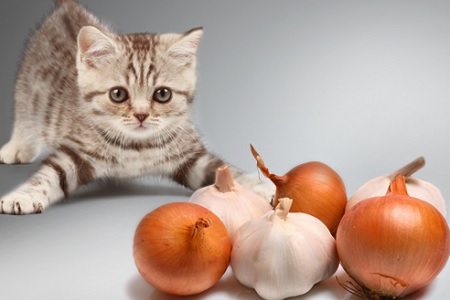
Onion and garlic: these two ingredients are present in many homemade recipes and in many products sold in supermarkets. The danger of garlic and onion in a cat’s diet is linked to substances such as thiosulfate, which can cause hemolytic anemia, a very serious condition responsible for the rupture of red blood cells. The cat may be depressed, tired, and inactive at first, eventually showing even more serious consequences;
-
Sweets: consuming homemade and industrial sweets can, over time, lead to problems such as obesity, diabetes, and tartar.
-
Sweeteners: xylitol, one of the sweeteners most commonly used by the food industry, is highly dangerous for our animals. This agent can cause increased insulin production, with a reduction in blood glucose levels. In addition, frequent consumption of xylitol-based products appears to cause a series of liver disorders in cats.
-
Liver: cats are normally very fond of liver, an item that most veterinarians do not otherwise advise against. In any case, ideal consumption should not exceed two servings per week, to avoid excess vitamin A, which can cause bone and joint disorders.
-
Lard and fatty parts: cats can normally tolerate a slightly higher fat intake than dogs, provided they are not given excessively fatty foods frequently or in large amounts. The consequences of consuming fried foods, lard, and other fatty parts may mainly affect the liver and pancreas, causing fatty liver disease and pancreatitis.
-
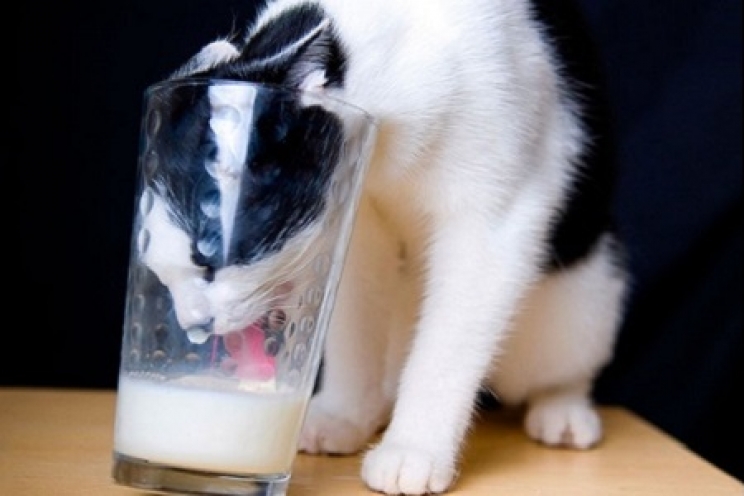
Milk and dairy products: according to popular imagery, cats are often associated with the classic bowl of warm milk. Unfortunately, this pairing is not entirely appropriate. Most adult cats can develop severe lactose intolerance, the sugar found in milk and its derivatives. The main consequences of consuming these foods include diarrhea and severe abdominal pain, which generally disappear within a few hours. Some cats, however, may tolerate lactose well, so in these cases it is not appropriate to prohibit the animal from drinking milk, provided it is properly diluted with plain water.
-
Fish bones: another food often associated with cats is the fish bone. Here too, we must dispel a myth. Fish bones are dangerous to a cat’s health because they can easily become lodged along the digestive tract, especially when cooked. Consequences can range from intestinal blockage to much more serious tears.

-
Bones: bones are absolutely forbidden for cats. In particular, the most dangerous are rabbit or chicken bones, which can easily cause obstructions and tears in the walls of the stomach and intestines;
-
Green tomatoes and potatoes: all green parts of the tomato contain a substance that is highly dangerous to cats: solanine. It can also be found in lower concentrations in potato skins. If large amounts of solanine are ingested, symptoms such as vomiting, diarrhea, abdominal pain, tremors, seizures, paralysis, coma, and death may occur.
-
Salt: a cat’s diet must necessarily be salt-free to prevent problems related to excess sodium, such as weakness, confusion, lethargy, seizures, coma, and death;
-
Cured meats: cured meats are particularly high in salt and are often enriched with special spices and jellies, which can be harmful to cats.
-
Canned tuna: very few cats dislike tuna. This type of fish is not categorically forbidden, provided it is always a product intended for animal consumption. Ordinary canned tuna that we commonly use may contain high levels of salt and other substances that promote preservation. In any case, even for tuna-based products intended for animals, exclusive and repeated use is not recommended, to avoid ingesting high levels of mercury and causing serious nutritional deficiencies.
-
Raw eggs: raw eggs may contain bacteria that, if ingested, can cause serious gastrointestinal infections in cats, with persistent vomiting and diarrhea. In addition, raw egg white contains avidin, a substance capable of reducing the absorption of vitamin B7, or thiamine. For these reasons, it is recommended to avoid raw eggs and instead occasionally add the yolk of a hard-boiled egg to the cat’s diet.
-
Grapes: it appears that frequent ingestion of grapes and raisins by cats can cause a number of kidney problems. Symptoms initially include vomiting and diarrhea, followed in the most serious cases by kidney failure.